
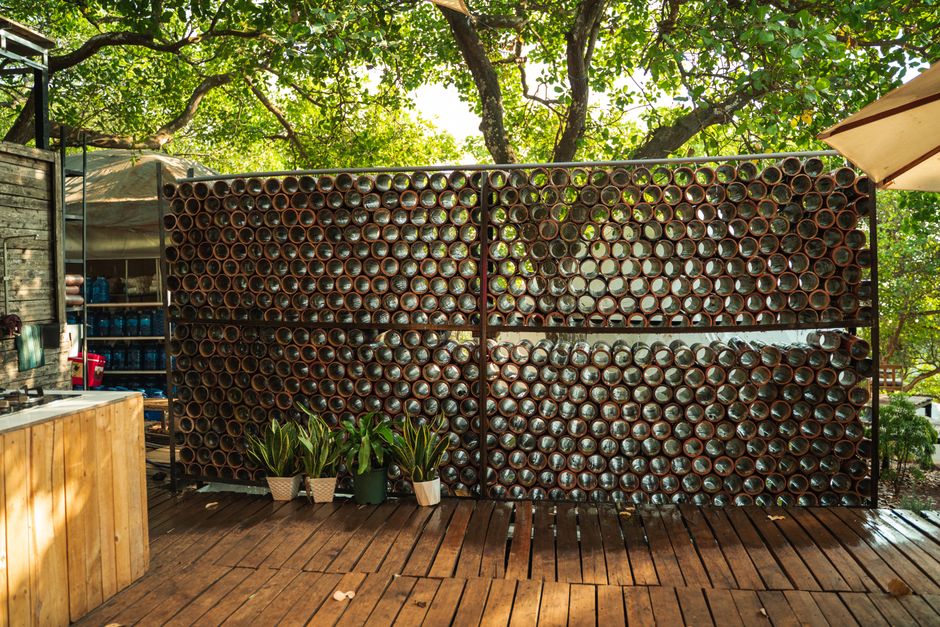
Ultimate Guide to Sustainable Designs
Introduction to Sustainable Designs
Sustainable design emphasizes reducing environmental impact while creating functional and aesthetically pleasing spaces or products. It integrates eco-friendly materials and innovative practices to promote long-term ecological balance.
Why Is Sustainable Design Important?
With increasing concerns over climate change and resource depletion, adopting sustainable design principles is more critical than ever. It not only minimizes carbon footprint but also adds value by enhancing efficiency and durability.
Key Principles of Sustainable Design
- Use of eco-friendly materials
- Incorporation of innovative solutions
- Prioritizing energy efficiency
- Water conservation practices
- Respect for building heritage and context
Eco-Friendly Materials for Sustainable Design
Choosing the right materials is crucial in sustainable design. Consider options like recycled steel, reclaimed wood, bamboo, and low-VOC paints. These materials reduce environmental impact and promote healthier indoor spaces.
Innovative Practices in Sustainable Design
Innovative practices include using green roofs, passive solar design, and smart energy systems. These methods optimize resource use and enhance overall project sustainability.
How to Incorporate Sustainability in Your Projects
Start by assessing the site and understanding the local ecosystem. Incorporate sustainable materials, optimize natural light and airflow, and implement efficient water management systems. For detailed strategies, visit our sustainable design techniques section.
Conclusion
Adopting sustainable design principles is essential for creating environmentally responsible and economically viable projects. By integrating eco-friendly materials and innovative practices, you can make a positive impact on the planet while achieving your design goals.