
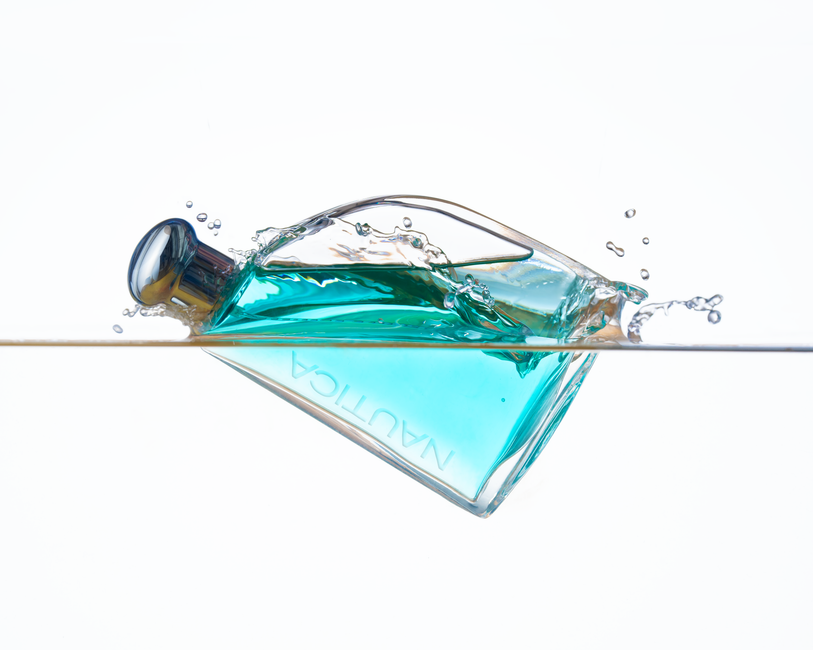
Underwater Lighting Best Practices for Stunning Marine Photography
Introduction to Underwater Lighting
Underwater lighting plays a crucial role in capturing vibrant and clear marine images. Proper lighting techniques can reveal the true colors and details of marine life, making your photography stand out. Whether you're a beginner or an experienced diver, understanding underwater lighting best practices is essential for achieving stunning results.
Choosing the Right Equipment
Selecting suitable underwater lighting equipment is the first step. Consider using strobes or continuous lights that are designed for underwater use. These can help eliminate shadows and bring out the true colors of marine subjects. Be sure to use waterproof housings and check the battery life for extended shooting sessions.
Lighting Techniques and Tips
Effective lighting techniques include positioning your lights to minimize backscatter and reflections. Using diffusers can soften the light, creating a more natural look. It's also important to balance your underwater flash with ambient light to achieve a well-exposed shot.
Safety and Environmental Considerations
Always prioritize safety when managing your lighting setup underwater. Be mindful of your surroundings to avoid disturbing delicate marine ecosystems. Properly secure your equipment and avoid excessive use of lights that could harm nocturnal or shy creatures.
Conclusion
Mastering underwater lighting best practices enhances both the quality and impact of your marine photography. With the right equipment, techniques, and awareness, you can capture breathtaking images of the underwater world that tell compelling stories.