
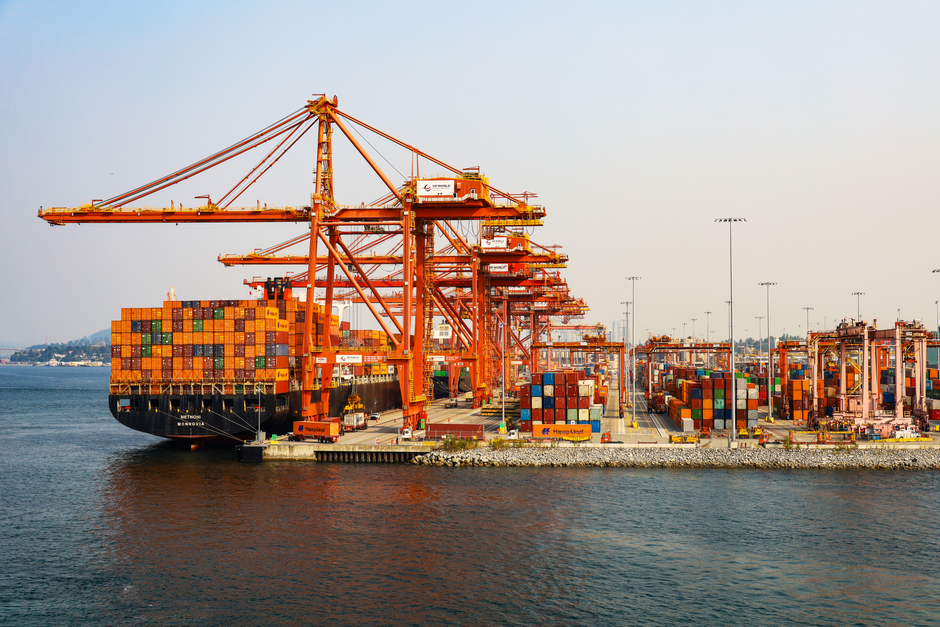
Unmanned Vessel Technology Shaping the Future of Maritime Logistics
The maritime industry is experiencing a transformative shift with the advent of unmanned vessel technology. These innovative vessels are set to redefine how goods are transported across the world's oceans, offering a safer and more efficient alternative to traditional manned ships.
Advancements in maritime automation and autonomous ships benefits are driving the development of future maritime logistics. Unmanned vessels leverage cutting-edge sensors, AI, and satellite communication systems to operate remotely or autonomously, reducing the need for onboard crews and minimizing human error.
One of the key benefits of adopting unmanned vessel technology is increased safety. Eliminating human presence from potentially hazardous maritime environments diminishes accident risks and enhances operational safety standards. Additionally, these vessels can operate efficiently around the clock, thereby optimizing delivery times and reducing operational costs.
As the technology continues to mature, regulatory frameworks are being developed to ensure the safe integration of unmanned vessels into global shipping routes. Industry leaders are collaborating with regulators to address challenges related to navigation, cybersecurity, and environmental impact, ensuring that this innovation aligns with international maritime laws.
Overall, unmanned vessel technology is a pivotal element in the evolution of maritime logistics. By embracing this technology, the shipping industry can boost efficiency, enhance safety, and pave the way for a more sustainable and resilient maritime transportation system.