
Unraveling Forensic Techniques in Criminal Investigation
Understanding the Role of Forensic Science
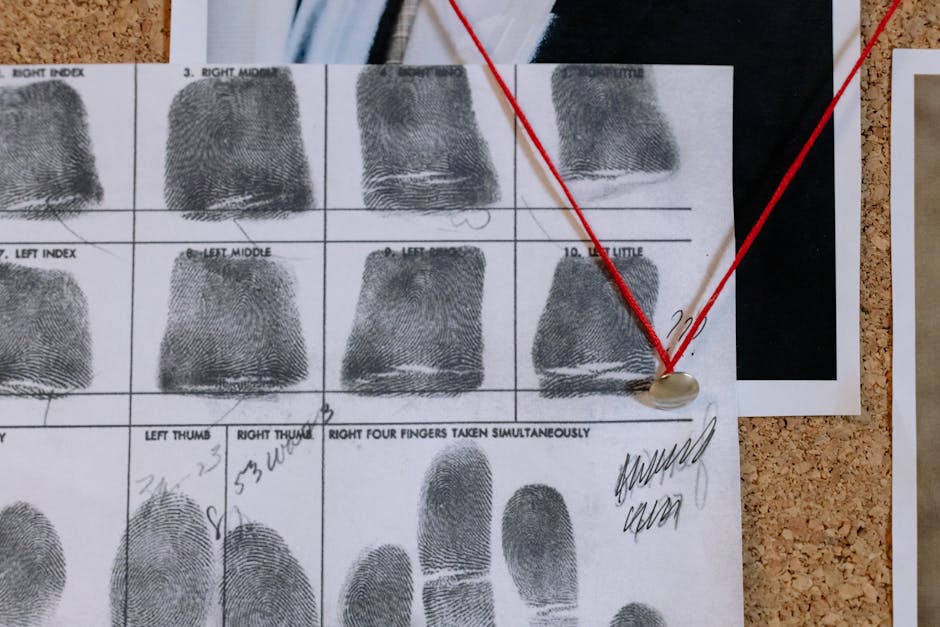
Forensic science plays a crucial role in solving crimes by applying scientific methods to gather and analyze evidence. Techniques such as fingerprint analysis, DNA profiling, and ballistics examination help law enforcement officials build strong cases against suspects.
Advanced DNA Analysis
One of the most groundbreaking developments in forensic investigation is DNA analysis. This method allows investigators to identify individuals with high precision, even from small or degraded samples, often making the difference between solving and unresolved cases.
Fingerprint and Footprint Examination
Traditional methods like fingerprint analysis continue to be vital. Modern techniques enhance the accuracy of fingerprint matching, and new methods are emerging for footprint examination, especially in cases involving footwear prints at crime scenes.
Digital and Multimedia Forensics
With the rise of digital technology, digital forensics has become indispensable. Investigators recover and analyze data from electronic devices to uncover crucial evidence that might otherwise be hidden.
Ballistics and Toolmark Analysis
Analyzing bullets, firearms, and tools used in crimes helps establish connections between suspects and crime scenes. Ballistics analysis provides insights into the firearm used and the circumstances of the shooting.
Conclusion
Unraveling the complexities of forensic techniques continues to advance criminal investigations, leading to more accurate and quicker resolutions. Understanding these methods underscores the importance of science in the pursuit of justice.