
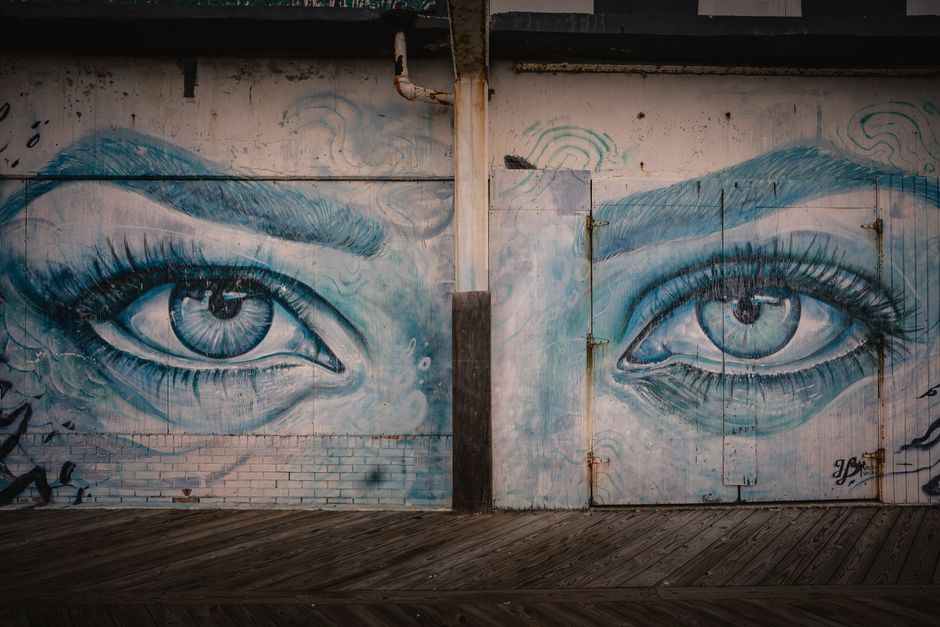
Urban Art and Culture: Exploring the Vibrant World of Street Art
Introduction to Urban Art and Culture
Urban art has become an integral part of contemporary culture, serving as a platform for artistic expression in public spaces. Street art often reflects societal issues, politics, and community identity, making it a powerful tool for cultural dialogue.
The Evolution of Street Art
Originating in the late 20th century, street art has evolved from simple graffiti tags to complex murals and installations. Today, artists like Banksy and Shepard Fairey have popularized urban art in galleries and museums, bridging the gap between street culture and mainstream art.
Impact on Urban Culture
Street art transforms city landscapes, making them vibrant and engaging. It fosters community pride and can even contribute to urban renewal projects. For more insights, explore our article on urban art and culture to see how cities worldwide celebrate these dynamic art forms.
Famous Murals and Artists
From the colorful murals of Buenos Aires to the politically charged pieces in Berlin, street art showcases diverse styles and messages. Renowned artists like Banksy have brought street art into the spotlight, emphasizing its cultural significance.
Conclusion
Urban art continues to captivate audiences and influence cultural movements globally. Embracing street art can open new perspectives on urban environments, making cities more expressive and inclusive.