
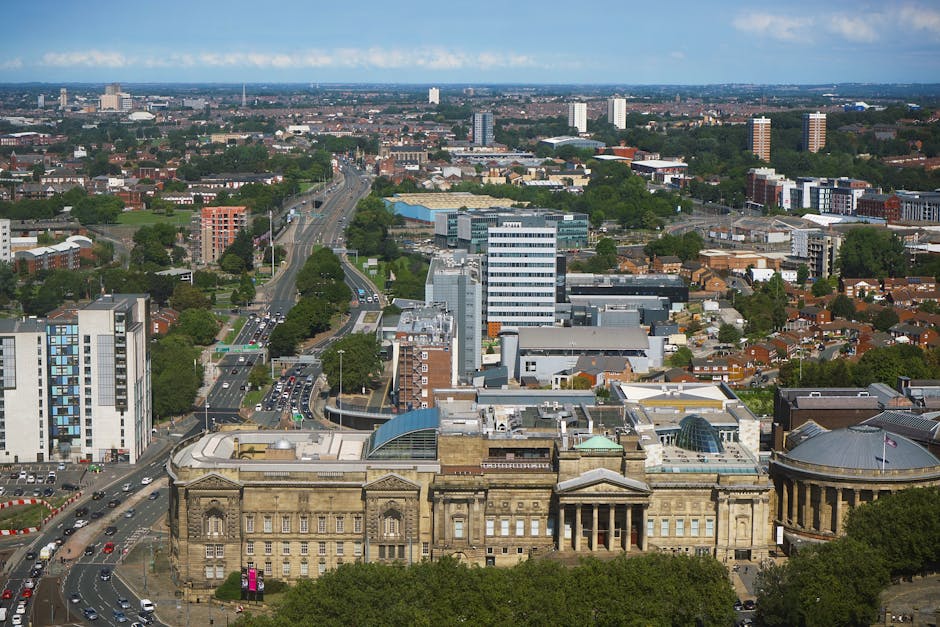
Enhancing Urban Green Spaces to Improve Air Quality
As cities continue to grow, the importance of maintaining healthy air quality becomes more critical. One effective way to improve urban environments is by increasing urban green spaces. These natural areas not only provide recreational opportunities but also play a vital role in boosting air quality.
Urban green spaces, such as parks, community gardens, and green rooftops, help reduce pollution by filtering airborne particles and absorbing carbon dioxide. They act as natural air purifiers, improving the overall air quality in cities. Moreover, vegetation in these areas can lower temperatures, reducing the formation of ground-level ozone, a harmful pollutant.
Investing in the development and maintenance of green spaces has multiple benefits. It encourages outdoor activity, supports biodiversity, and enhances mental well-being for city residents. Cities that prioritize green infrastructure tend to experience healthier air and a higher quality of life.
For urban planners and policymakers, integrating green spaces into cityscapes is a strategic move towards sustainable growth. Initiatives like planting more trees along streets, creating urban parks, and promoting green corridors can effectively strategize urban greening efforts to maximize air quality improvements.
In conclusion, expanding and maintaining urban green spaces is essential for boosting air quality and ensuring healthier, more livable cities for future generations.