
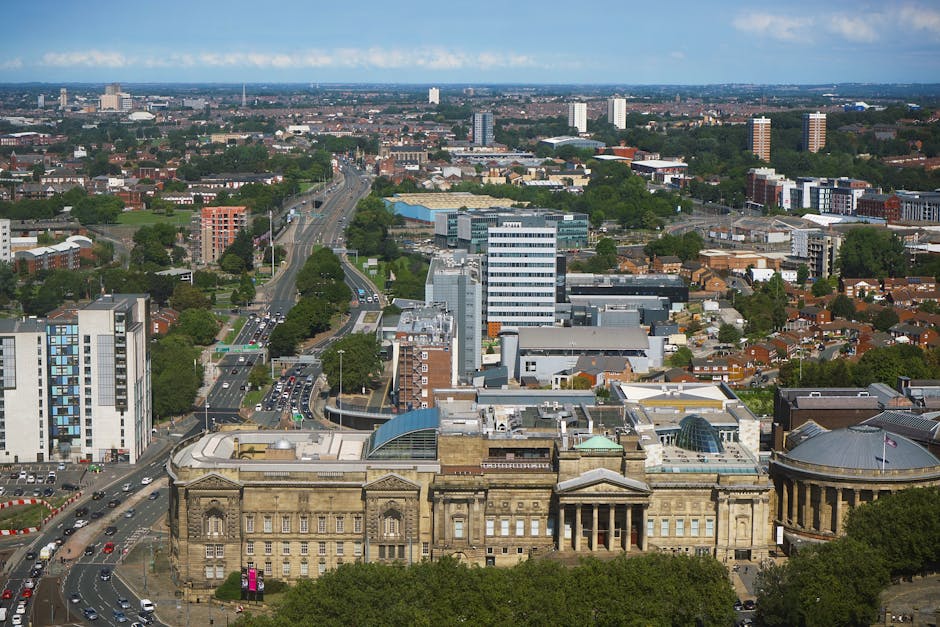
Urban Green Spaces Critical for Climate Resilience
Introduction to Urban Green Spaces
Urban green spaces, including parks, gardens, and tree-lined streets, are essential components of sustainable cities. They not only provide recreational areas for residents but also contribute significantly to combating urban environmental challenges.
The Importance of Green Spaces for Climate Resilience
As cities face increasing threats from climate change, such as heatwaves and flooding, urban green spaces serve as natural buffers. They help reduce the urban heat island effect, absorb stormwater, and improve air quality, making cities more resilient to climate impacts.
Strategies for Expanding Urban Green Spaces
City planners and communities are encouraged to prioritize green infrastructure through expansion strategies such as rooftop gardens, green corridors, and community parks. These initiatives also promote biodiversity and enhance residents' wellbeing.
Benefits for Community and Environment
Beyond environmental advantages, urban green spaces foster social cohesion, support mental health, and increase property values. Integrating nature into urban landscapes is a sustainable solution for cities aiming to build resilient communities.