
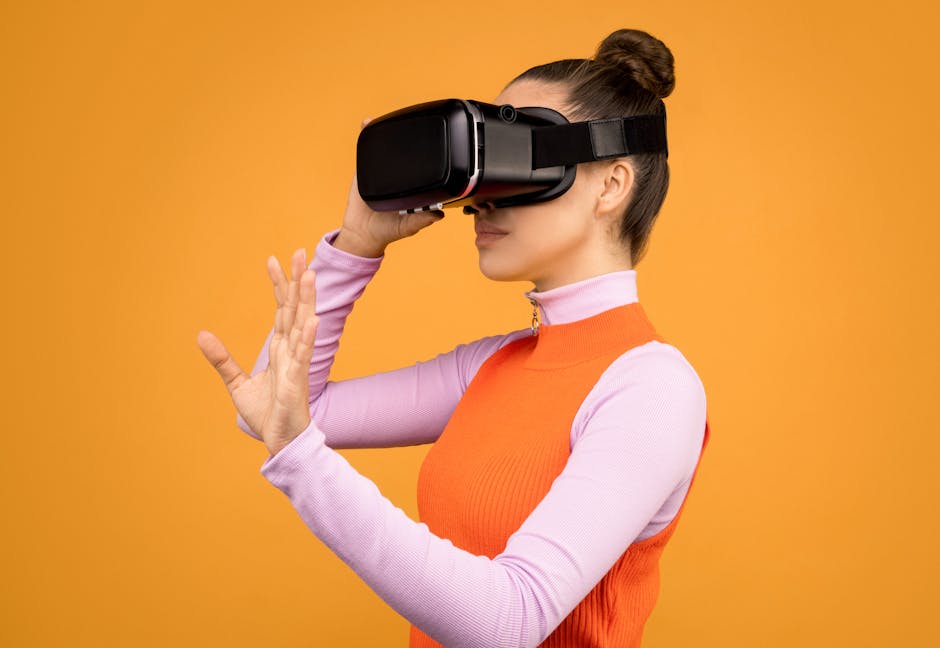
Leveraging Virtual and Augmented Reality in Business for Immersive Marketing
Introduction to Virtual and Augmented Reality in Business
As technology continues to evolve, virtual and augmented reality (VR and AR) have emerged as powerful tools for businesses seeking to create immersive marketing experiences. These innovative solutions enable brands to connect with their audiences in more engaging and interactive ways.
The Impact of VR and AR on Marketing Strategies
By integrating VR and AR technologies, companies can offer virtual product demonstrations, interactive showrooms, and immersive brand storytelling. This not only enhances customer engagement but also helps in building trust and loyalty.
Examples of Immersive Marketing Using VR and AR
Leading brands have successfully adopted immersive marketing campaigns that utilize VR and AR. For instance, furniture retailers offer AR apps that let customers visualize furniture in their own homes before making a purchase. Similarly, automotive companies provide virtual test drives to showcase their latest models.
Future Trends in VR and AR for Business
The future of VR and AR in business looks promising, with advancements in hardware, increased accessibility, and more sophisticated content creation. Businesses that adopt these technologies early can gain a competitive edge by delivering memorable and personalized experiences.