
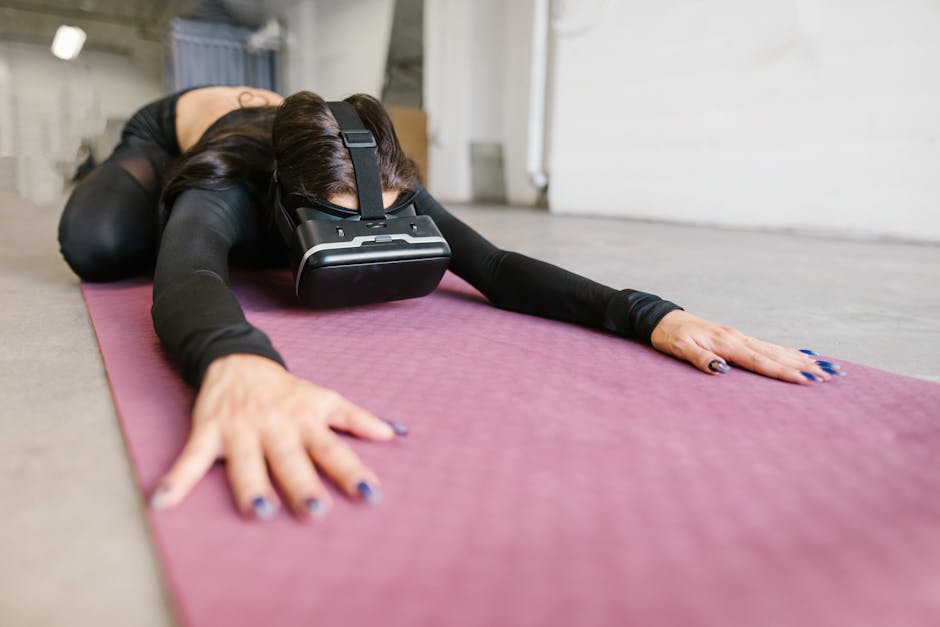
Virtual Reality and Mental Health: The Future of Relaxation
In recent years, virtual reality (VR) has emerged as a groundbreaking tool in mental health treatment and relaxation strategies. By immersing users in calming and controlled environments, VR offers a novel approach to managing stress, anxiety, and other mental health challenges.
One of the most promising aspects of VR for mental health is its ability to create customizable scenarios that promote mindfulness and relaxation. For example, users can virtually visit serene beaches, tranquil forests, or peaceful mountains, all from the comfort of their homes. These immersive experiences help reduce cortisol levels and improve overall mental well-being.
Moreover, VR-based therapies are being increasingly integrated into clinical practice. Techniques such as exposure therapy for phobias and post-traumatic stress disorder (PTSD) are now more accessible and effective with the help of virtual environments. As cited in various research studies, patients often find VR therapy engaging and less intimidating than traditional methods.
Looking ahead, the future of relaxation through VR holds significant potential. Advances in VR hardware and software are making these experiences more realistic and affordable. As a result, more individuals can benefit from virtual relaxation tools, leading to a wider adoption of mental health practices that emphasize self-care and resilience.
In conclusion, virtual reality is poised to revolutionize how we approach mental wellness and relaxation. Whether integrated into clinical treatments or used for personal stress relief, VR offers a promising pathway toward a healthier, calmer mind.