
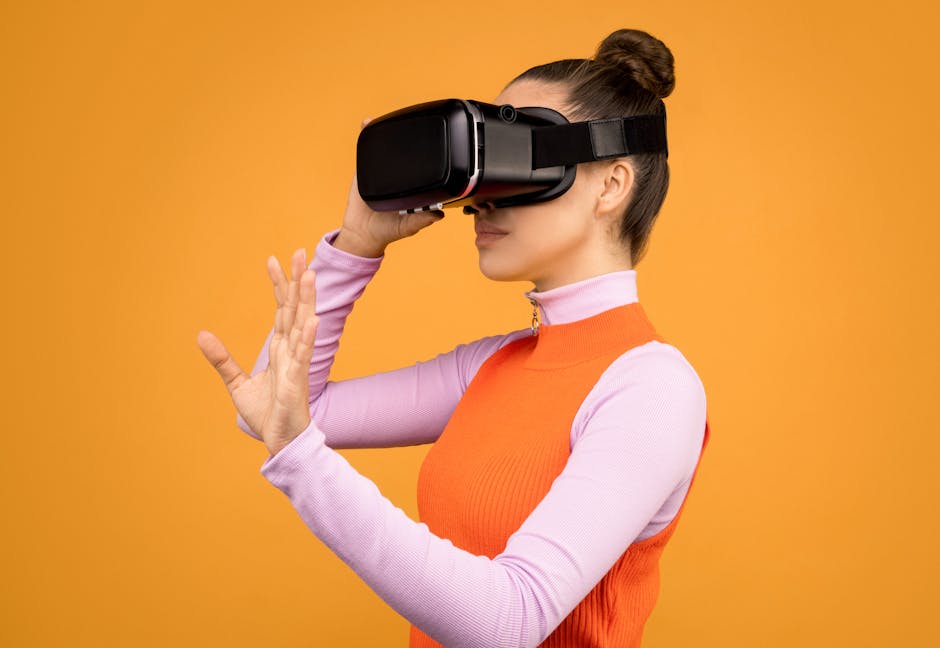
The Benefits of Virtual Reality in Education
Virtual reality (VR) technology is revolutionizing the way educators approach teaching and learning. By creating immersive environments, VR brings a new dimension to classrooms that was previously unimaginable. From virtual field trips to interactive simulations, students can experience subjects in a more engaging and effective manner.
One of the main benefits of virtual reality in education is its ability to promote active learning. Instead of passively listening to lectures, students can explore virtual worlds, manipulate objects, and participate in simulations that reinforce understanding of complex concepts.
Moreover, virtual reality can provide inclusive learning experiences for students with diverse needs. It allows for customized and accessible content that caters to individual learning styles and abilities. Teachers also benefit from VR by gaining new tools to illustrate subjects that are difficult to demonstrate through traditional methods.
As technology continues to advance, the integration of virtual reality into classroom technology becomes more feasible and widespread. This shift not only enhances engagement but also prepares students for future careers in a digital world.
Conclusion
Implementing virtual reality in education is more than just a trend—it's a transformative approach that offers numerous benefits for both students and educators. As schools continue to adopt VR tools, learning experiences will become more interactive, inclusive, and effective, ultimately shaping the future of education.