
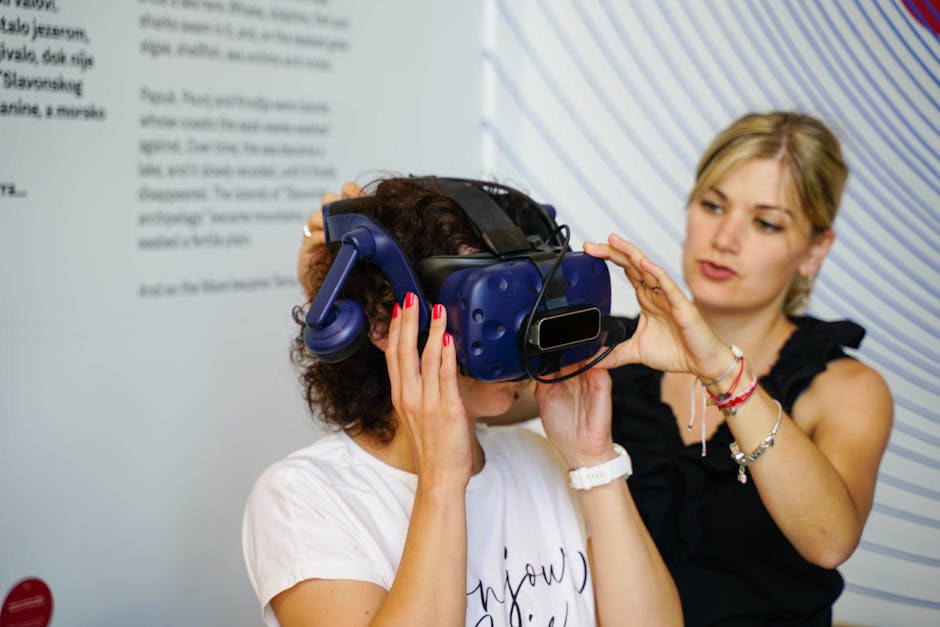
The Future of Virtual Reality in Education and Its Impact on Classrooms
Introduction to Virtual Reality in Education
Virtual reality (VR) is rapidly emerging as a powerful tool in the educational sector. By providing immersive learning environments, VR enhances student engagement and understanding. The potential of innovative teaching methods using VR promises to revolutionize traditional classrooms.
Benefits of Virtual Reality in Classrooms
- Enhanced Engagement: Students become active participants in their learning through realistic simulations.
- Practical Experience: VR provides hands-on opportunities for subjects like science, history, and medicine.
- Accessibility: Virtual classrooms can bring education to remote or underserved areas.
- Cost-Effective: Reducing the need for physical resources and field trips.
The Future of Virtual Reality in Education
The future of virtual reality in education looks promising, with advancements in hardware and software making VR more accessible and affordable. Schools and universities are increasingly adopting VR to create collaborative learning environments and personalized educational experiences.
Moreover, as technology integrates further into daily learning, teachers will utilize VR not just for visualization but also for interactive assessments and virtual laboratories, making education more engaging and effective.
Conclusion
As virtual reality continues to evolve, its role within classrooms is expected to grow, paving the way for a more interactive, engaging, and inclusive future of education. Embracing VR technology today can help shape a brighter future for learners worldwide.