
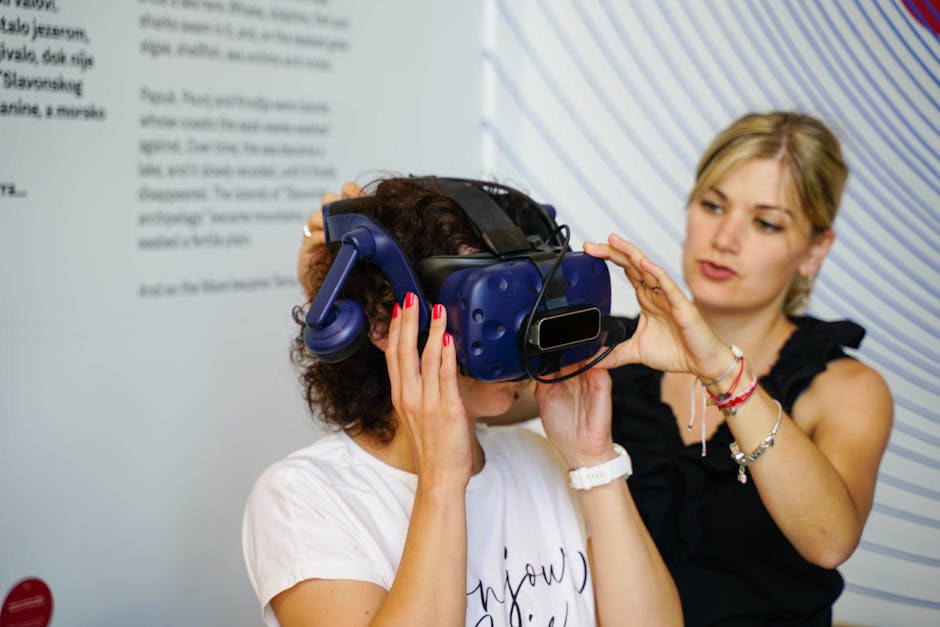
Virtual Reality Education Activities: Transforming Learning Experiences
Enhancing Learning with Virtual Reality Education Activities
Virtual reality (VR) has emerged as a powerful tool in the realm of education activities. By immersing students in a simulated environment, VR offers an engaging and interactive way to explore complex concepts that traditional methods often struggle to convey.
Why Use Virtual Reality in Education?
Incorporating virtual reality education activities can significantly boost student engagement, improve retention, and foster experiential learning. It enables learners to visit historical sites, explore the human body, or simulate scientific experiments safely and effectively.
Popular Virtual Reality Education Activities
- Historical Site Visits: Take virtual field trips to ancient ruins or famous landmarks without leaving the classroom.
- Science Experiments: Conduct complex experiments in a risk-free virtual environment, enhancing comprehension and safety.
- Human Anatomy Exploration: Allow students to explore the human body in 3D, leading to better understanding of biological structures.
- Collaborative Activities: Enable group problem-solving and teamwork within immersive virtual worlds.
Implementing VR Activities in Your Curriculum
Integrating VR into your teaching involves selecting suitable VR hardware and content, designing engaging activities, and ensuring accessibility for all students. Many educational VR platforms now offer customizable lesson plans and resources to make this process easier.
Future of Virtual Reality in Education
As VR technology continues to evolve, its role in education activities will expand, offering even more immersive and personalized learning experiences. Educators and institutions should stay informed about the latest developments to leverage these tools effectively.