
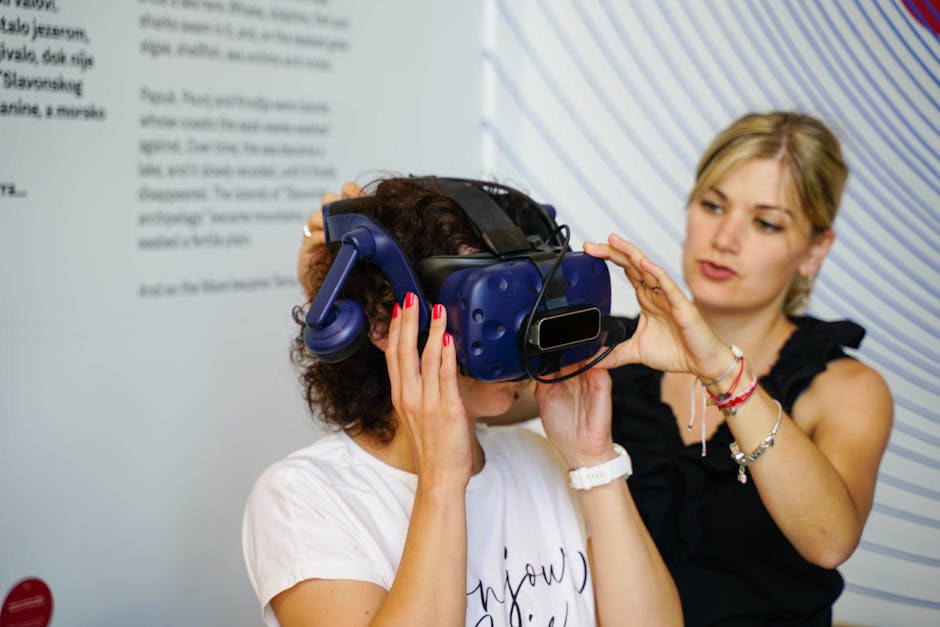
Unlocking the Future: Benefits of Virtual Reality in Education
Introduction to Virtual Reality in Education
Virtual reality (VR education benefits) is rapidly emerging as a transformative technology in the field of learning. By creating immersive and interactive environments, VR offers unique opportunities for students to explore and understand complex concepts.
Enhanced Engagement and Motivation
One of the key benefits of virtual reality in education is its ability to boost student engagement. Unlike traditional learning methods, VR encourages active participation, making lessons more interesting and motivating students to delve deeper into subjects.
Immersive Learning Experiences
VR provides an immersive learning environment where students can virtually visit historical sites, explore the human body, or conduct scientific experiments in a safe space. This experiential approach helps students understand and retain information more effectively.
Accessibility and Inclusivity
With advancements in VR technology, educational content becomes more accessible to a diverse range of learners, including those with disabilities. Virtual classrooms can cater to individual learning paces, ensuring all students have the opportunity to succeed.
Preparing for the Future
Integrating virtual reality into educational curricula not only enhances learning but also prepares students for future careers in technology-driven industries. Familiarity with VR tools and environments can be a valuable skill for the evolving job market.
Conclusion
As we continue to explore the benefits of virtual reality in education, it becomes clear that this technology holds the potential to revolutionize the way we learn. Embracing VR can lead to more engaging, accessible, and effective educational experiences for learners of all ages.