
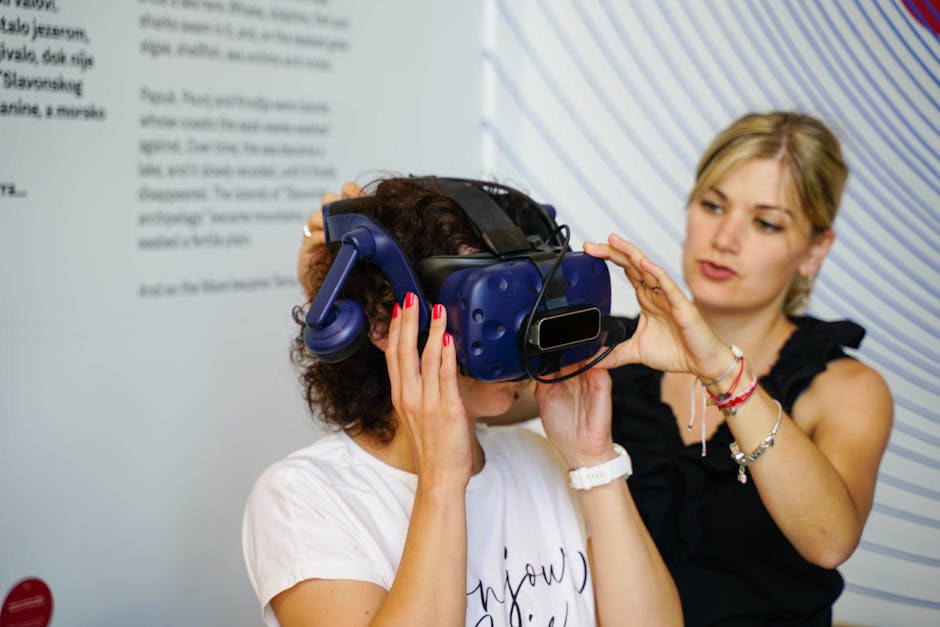
Virtual Reality Education Breakthroughs: Transforming Learning for the Future
In recent years, virtual reality education has emerged as a groundbreaking approach to enhance student engagement and understanding. By immersing learners in realistic simulations, VR technology helps to bridge the gap between theoretical knowledge and practical application.
Recent Breakthroughs in Virtual Reality Technology
Innovations such as lightweight headsets and improved tracking systems have made VR more accessible in classrooms worldwide. These advances have enabled schools to integrate VR into their curriculums seamlessly, providing students with hands-on experience in subjects like science, history, and art.
The Impact on Student Learning
Research indicates that virtual reality in education significantly boosts retention rates and fosters a deeper understanding of complex concepts. Whether exploring the human body's anatomy through VR models or taking virtual field trips to distant landmarks, students benefit from immersive learning environments.
Future of Virtual Reality in Education
The future looks promising, with ongoing developments aiming to make VR even more realistic and accessible. Efforts to incorporate features like adaptive learning algorithms and multiplayer experiences are set to revolutionize traditional education systems further.
As technology continues to evolve, virtual reality education remains a key area of transformation, opening new horizons for learners of all ages. Embracing these breakthroughs can lead to a more engaging, effective, and inclusive educational landscape.