
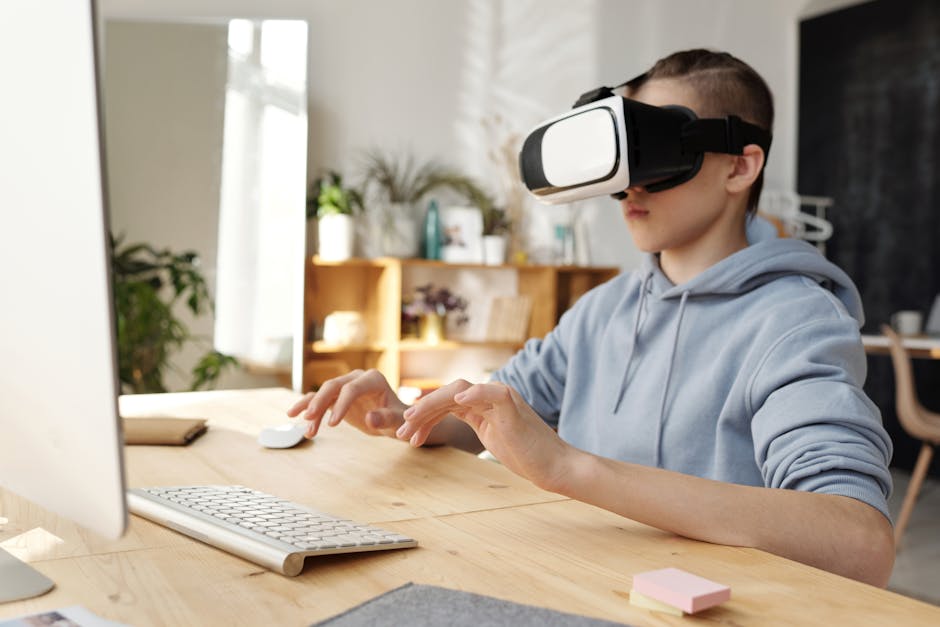
Exploring Virtual Reality Education Platforms and Emerging Trends
Introduction to Virtual Reality Education Platforms
Virtual reality (VR) education platforms are revolutionizing the way students learn by offering immersive and interactive experiences. These platforms leverage VR technology to create realistic simulations that enhance engagement and comprehension.
Key Features of VR Education Platforms
- Immersive environments that mirror real-world scenarios
- Interactive modules that promote active learning
- Accessibility across various devices and locations
- Real-time feedback and assessment tools
Emerging Trends in Virtual Reality Learning
As the field evolves, several exciting emerging trends are shaping the future of VR education platforms. These include the integration of AI, enhanced hardware, and more personalized learning experiences.
Additionally, AI integration helps tailor content to individual learner needs, while advancements in hardware improve accessibility and comfort for extended use.
Benefits of Using VR in Education
Implementing VR in education offers numerous benefits, such as increased engagement, better retention of information, and the ability to simulate dangerous or expensive scenarios in a safe environment. Explore more about the benefits of VR in education.
Conclusion
Virtual reality education platforms are transforming traditional learning methods and opening new avenues for interactive education. Stay updated on emerging trends to see how this technology continues to evolve and impact the future of learning.