
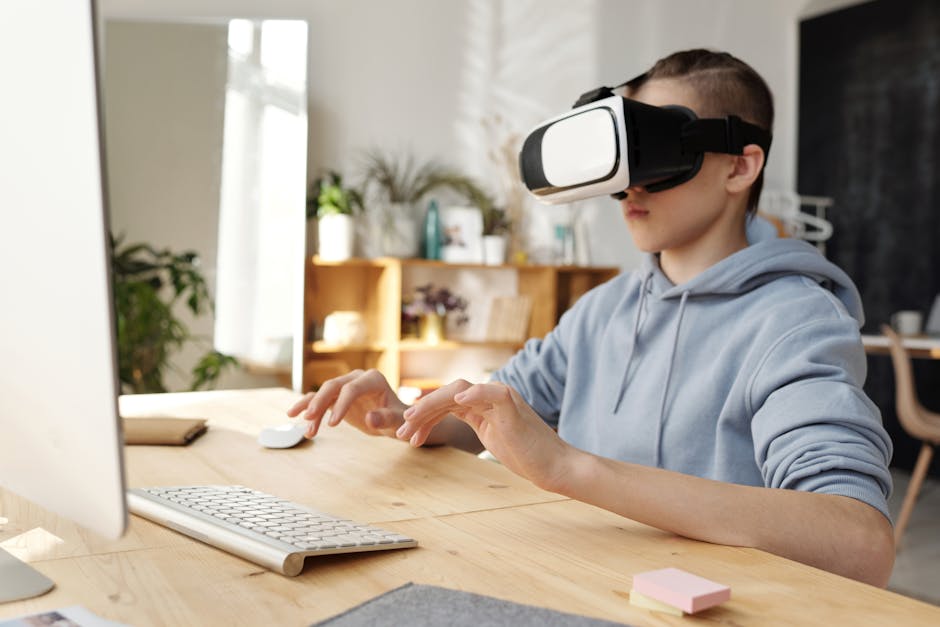
Enhancing Student Engagement Through Virtual Reality Education Platforms
The Rise of Virtual Reality in Education
Virtual reality (VR education platforms) has become a revolutionary tool in the landscape of modern learning. By providing immersive environments, VR technology helps students explore complex subjects more interactively and engagingly.
Benefits of Using VR for Student Engagement
- Increased motivation and interest in learning
- Enhanced understanding of difficult concepts
- Greater retention through experiential learning
- Opportunities for virtual field trips and collaborative activities
Key Features of Effective VR Education Platforms
Successful VR education platforms focus on user-friendly interfaces, diverse content modules, and compatibility with various devices. These features ensure that educators can seamlessly integrate VR into their teaching strategies to boost student participation.
Impact on Student Engagement
Implementing VR technology in classrooms results in higher levels of student engagement. Interactive experiences promote active learning and provide students with a sense of presence that traditional methods often lack. For more insights, visit our article on student engagement strategies.
Future of VR in Education
The future of VR education platforms is promising, with ongoing advancements making virtual experiences more accessible and realistic. educators can harness these innovations to create more impactful and inclusive learning environments.
Getting Started with Virtual Reality in Your Classroom
Teachers interested in integrating VR should start by exploring popular platforms and selecting suitable content for their curriculum. Remember, the goal is to enhance student engagement through immersive learning experiences that inspire curiosity and foster understanding.