
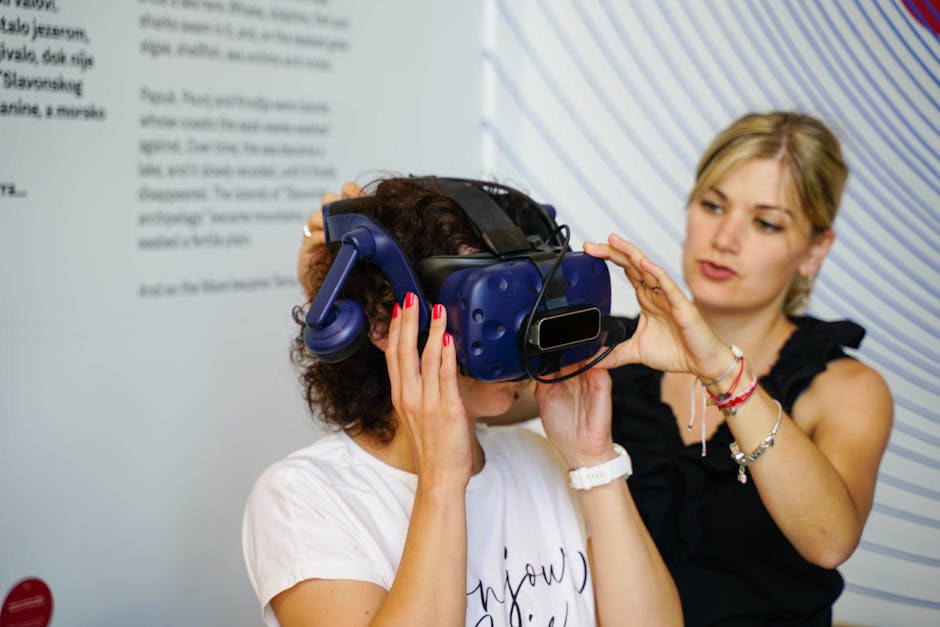
Exploring Virtual Reality Education Trends in 2024
As technology continues to evolve, virtual reality in education has emerged as a groundbreaking tool for enhancing student engagement and learning outcomes. Universities and schools worldwide are adopting virtual reality technology to create immersive learning environments that go beyond traditional teaching methods.
One of the most exciting virtual reality education trends is the increased use of VR simulations for practical training. This allows students to experience real-world scenarios without the risks associated with physical practice, making education safer and more accessible. For example, students studying medicine can practice surgeries in a virtual operating room, gaining valuable hands-on experience.
Moreover, immersive learning experiences are fostering better retention and understanding of complex subjects. Subjects like history and science become more engaging when students can virtually explore ancient civilizations or visit distant planets. This trend is supported by affordable VR hardware and user-friendly software, making adoption feasible for a wider range of educational institutions.
Educators are also leveraging virtual reality to personalize learning. Adaptive VR programs can tailor lessons to meet individual student needs, helping identify areas where students struggle and providing targeted support. As this technology is integrated further into classrooms, it is expected to revolutionize education trends overall, fostering more interactive and student-centric learning environments.
In conclusion, virtual reality education trends in 2024 highlight the transformative potential of immersive technology in education. As schools and universities continue to explore and implement these trends, the future of learning looks more engaging, accessible, and effective than ever before.