
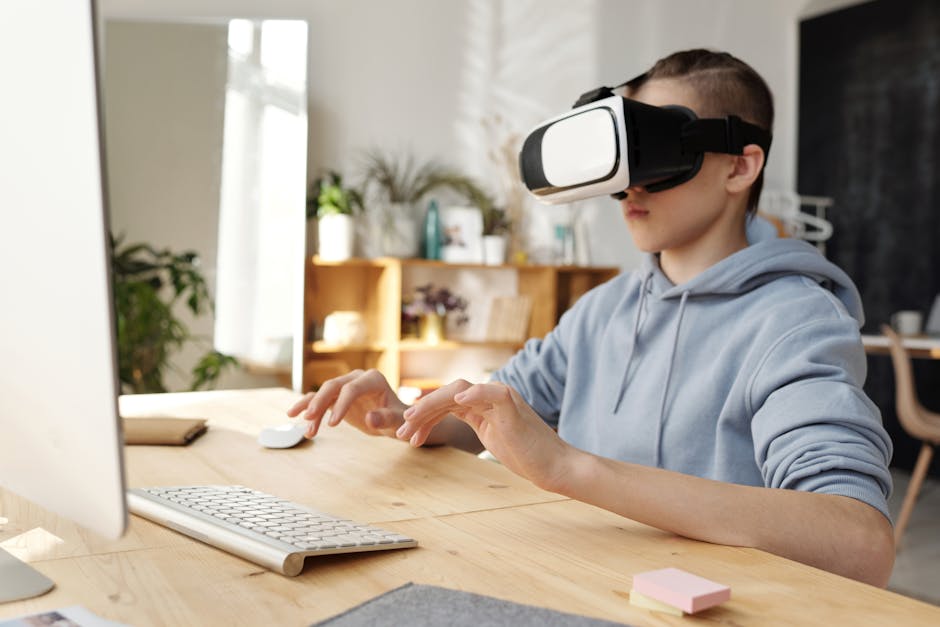
Unlocking the Future: Virtual Reality Education and Virtual Learning
Introduction to Virtual Reality Education
With technological advancements, virtual reality education has become a revolutionary approach in the classroom. It allows students to engage with content in a highly immersive environment, making learning more interactive and engaging.
The Benefits of Virtual Learning
Virtual learning offers numerous advantages, such as enhanced engagement, increased accessibility, and the ability to simulate real-world scenarios. These features help students grasp complex concepts more effectively and foster a deeper understanding of the subject matter.
For more on how virtual learning benefits students, check out our detailed insights.
Applications of Virtual Reality in Education
From virtual field trips to interactive science labs, applications of virtual reality in education are diverse and expanding. Educators are now able to create engaging lessons that transport students to different environments, providing experiential learning opportunities.
Learn more about specific virtual reality applications transforming various academic fields.
The Future of Virtual Learning
The future of virtual learning is promising, with innovations aiming to personalize education and make learning more accessible worldwide. As VR technology becomes more affordable and user-friendly, its integration into mainstream education is expected to increase significantly.
Embracing virtual reality in education not only enhances the learning experience but also prepares students for a technologically advanced world. To stay updated on this evolving field, keep exploring the latest trends and research related to virtual reality education and virtual learning.