
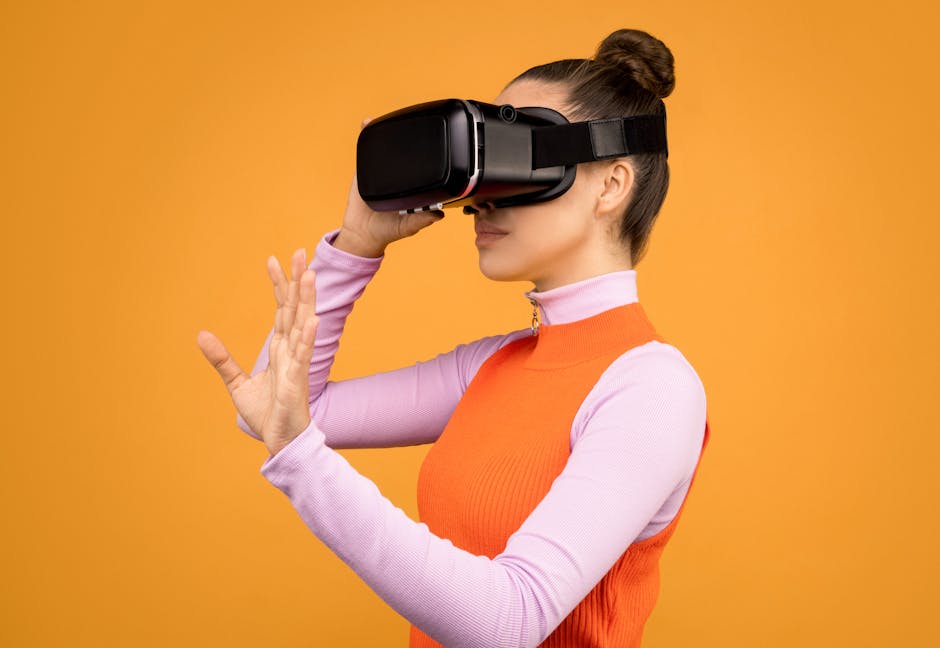
Exploring Virtual Reality Exhibits: A Journey into Immersive Experiences
Virtual reality exhibits have revolutionized the way we experience art, history, and entertainment. These immersive experiences allow visitors to step into a three-dimensional environment where they can explore digital worlds, historical reconstructions, or interactive art installations. As technology continues to advance, virtual reality exhibits are becoming more accessible and engaging for a diverse audience.
Many museums and galleries are now incorporating virtual reality exhibits to enhance visitor engagement and offer unique educational opportunities. For instance, visitors can virtually walk through ancient cities, explore detailed 3D models of artifacts, or even experience historical events firsthand. These innovations not only increase accessibility to distant or delicate collections but also foster a deeper understanding of the subject matter.
One of the key advantages of virtual reality exhibits is their ability to create immersive learning experiences. By providing a sense of presence and interaction, VR helps users retain information more effectively compared to traditional static displays. Additionally, virtual reality opens up possibilities for future developments in exhibit design, including multisensory environments and multiplayer interactions that can further enrich the viewer's experience.
If you're interested in exploring the latest trends, consider visiting a venue that features virtual reality exhibits or try out some virtual reality applications for yourself. As technology evolves, these digital immersive experiences will likely become a standard component of cultural and entertainment spaces worldwide.