
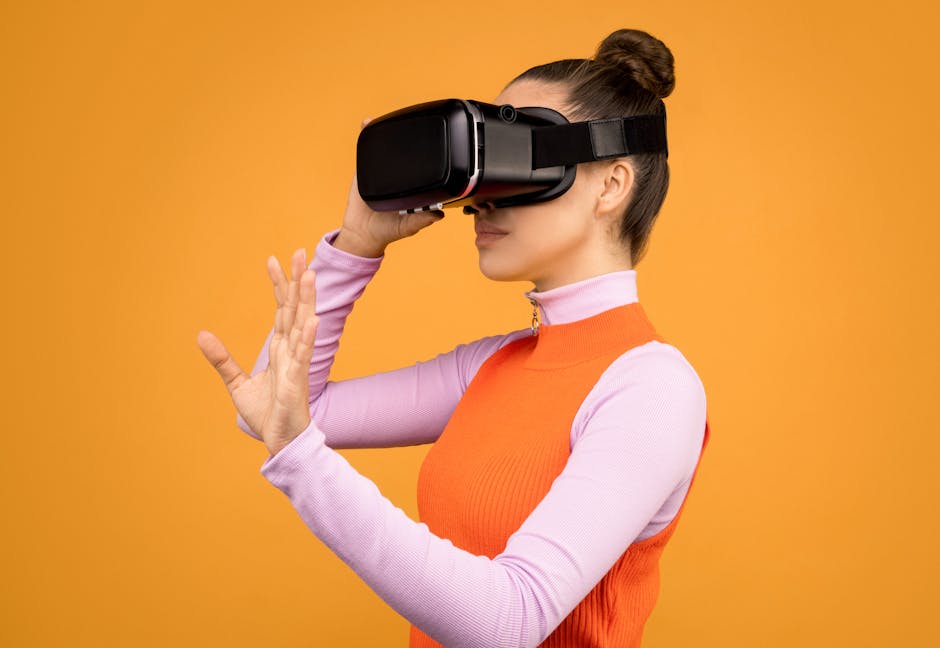
Virtual Reality and Immersive Advertising: Transforming Engagement
Understanding Virtual Reality and Its Role in Advertising
Virtual reality (VR) has emerged as a groundbreaking technology that allows users to immerse themselves in simulated environments. This innovation opens up new avenues for immersive advertising, enabling brands to create captivating experiences that resonate more profoundly with consumers.
The Power of Immersive Advertising
Immersive advertising leverages VR to provide interactive content that engages users in a way traditional ads cannot. By transporting audiences into virtual worlds, brands can showcase products, tell stories, and foster emotional connections effectively.
Benefits of Using Virtual Reality in Advertising
- Enhanced Engagement: Users are more likely to remember and share experiences that are immersive and interactive.
- Authentic Experience: VR allows consumers to virtually try products or explore services firsthand.
- Innovative Brand Positioning: Companies utilizing VR set themselves apart as pioneers in advertising innovation.
Challenges and Future of VR in Marketing
Although VR advertising offers many advantages, challenges such as high production costs and hardware requirements still exist. However, as technology advances and becomes more accessible, the adoption of immersive advertising is expected to grow rapidly, paving the way for more creative and personalized marketing strategies.
Conclusion
As virtual reality continues to evolve, its integration into immersive advertising will undoubtedly transform how brands connect with their audiences. Embracing this technology can lead to more memorable, engaging, and effective campaigns that stand out in today’s competitive market.
Interested in exploring more? Check out our guide on the benefits of VR in marketing.