
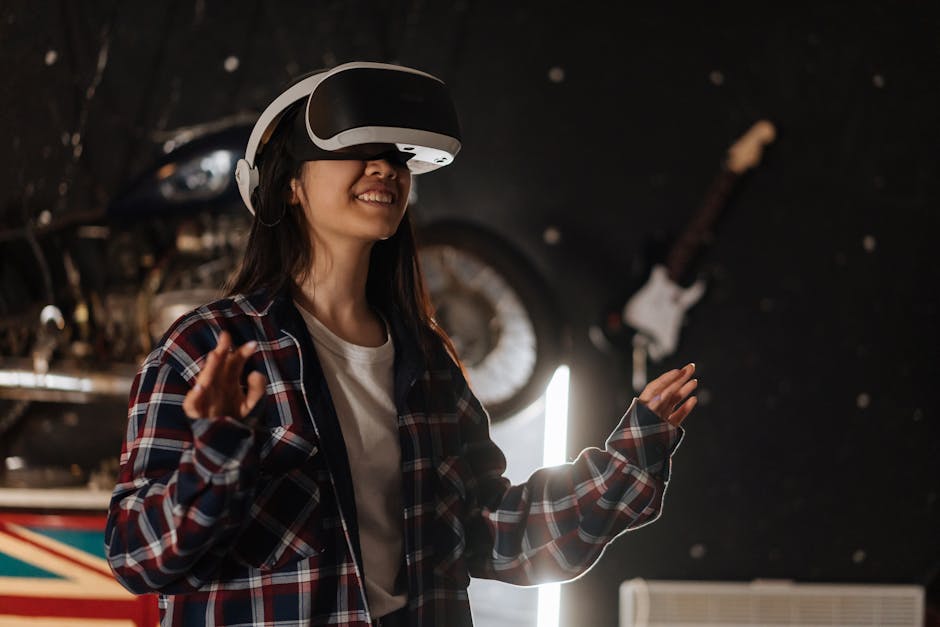
The Evolution of Virtual Reality and Immersive Worlds
Introduction to Virtual Reality
Virtual reality (VR) has revolutionized the way we interact with digital content. Starting from simple headsets to fully immersive systems, the evolution of immersive worlds has opened new frontiers in gaming, training, and social interactions.
The Early Days of Virtual Reality
In the initial stages, VR technology was limited but promising. Early devices like the Sword of Damocles paved the way for modern headsets, providing basic immersive experiences. These early innovations demonstrated the potential of virtual environments to simulate real-world scenarios.
Advancements in Immersive Worlds
Over the years, advances in graphics and hardware have significantly enhanced the realism and interactivity of virtual environments. Today's VR headsets offer high-resolution visuals, motion tracking, and haptic feedback, creating truly immersive worlds for users to explore and interact with.
The Impact of Evolution on Society
The evolution of virtual reality has broad implications, from transforming entertainment to changing training methodologies in fields like medicine and aviation. As these immersive worlds continue to evolve, they stand to redefine the boundaries of human experience and connectivity.
Looking Ahead
Future developments may include more realistic simulations, greater social integration, and even blended realities. Staying informed about these trends can help enthusiasts and professionals leverage the full potential of this transformative technology.