
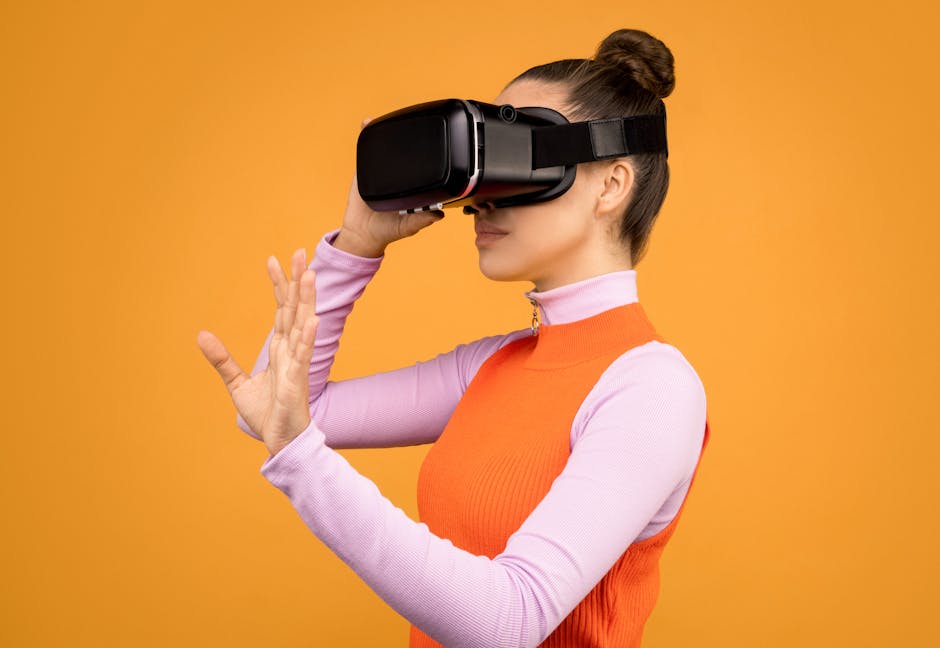
Enhancing Education with Virtual Reality in Classrooms: Benefits and Opportunities
Introduction to Virtual Reality in Education
Virtual reality (VR in education) is revolutionizing traditional teaching methods by creating immersive learning environments. It allows students to step into a virtual world where complex concepts become tangible and easier to understand.
Advantages of Using Virtual Reality in Classrooms
- Enhanced Engagement: VR captures students’ attention more effectively than conventional teaching tools, leading to increased motivation.
- Experiential Learning: Students can explore historical sites, biological processes, or geographical locations firsthand without leaving their classroom.
- Accessibility to Difficult Topics: Concepts that are abstract or challenging can be visualized clearly through VR experiences.
- Improved Retention: Immersive experiences aid in memory retention by creating stronger associations with the material learned.
Practical Applications of Virtual Reality in Education
Many educational institutions are integrating virtual reality to enrich their curricula. For example, VR in STEM education enables students to simulate scientific experiments safely, while history classes can take virtual field trips to ancient civilizations.
Challenges and Future Outlook
Despite its many benefits, implementing virtual reality in classrooms faces challenges such as cost, technical infrastructure, and the need for teacher training. However, ongoing advancements are making VR more accessible, and future developments are expected to further embed it into mainstream education.
Conclusion
Integrating virtual reality in classrooms offers significant benefits by creating engaging, interactive, and effective learning experiences. As technology continues to evolve, educators and students alike can look forward to a more immersive and enriching educational journey.