
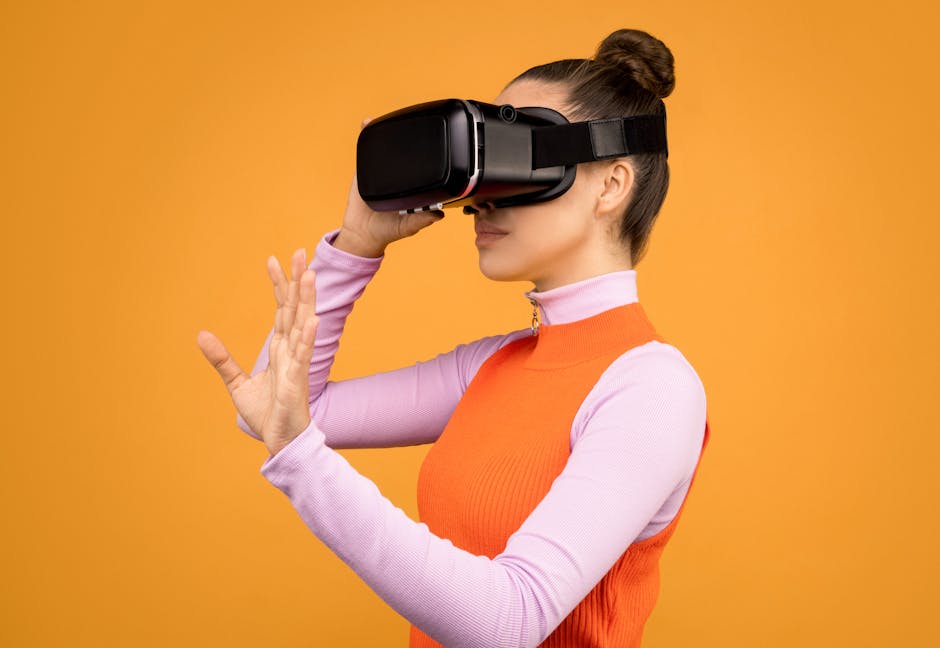
Enhancing Education: The Role of Virtual Reality in Classrooms for Engaging Learning
In recent years, the integration of virtual reality in classrooms has revolutionized the way educators approach teaching. By providing immersive experiences, VR allows students to explore concepts firsthand, making learning more engaging and memorable.
Transforming Traditional Education
Traditional teaching methods often rely on textbooks and lectures, which can sometimes fail to captivate students. With immersive learning experiences through virtual reality, learners can virtually visit historical sites, explore complex scientific processes, or navigate through intricate ecosystems, all within the classroom.
Benefits of Virtual Reality in Classrooms
- Increased Engagement: Students become active participants rather than passive listeners.
- Enhanced Understanding: Visual and interactive elements help solidify complex concepts.
- Accessibility: VR can provide equal learning opportunities regardless of physical location or resource limitations.
Challenges and Considerations
Despite its advantages, integrating virtual reality into classrooms requires proper equipment, teacher training, and curriculum adjustments. Ensuring equitable access and addressing potential health concerns are also important factors to consider.
Looking Ahead
As technology advances, virtual reality will continue to evolve, making the future of education increasingly immersive and interactive. Educators and institutions that embrace these innovations can create more stimulating and effective learning environments for students worldwide.