
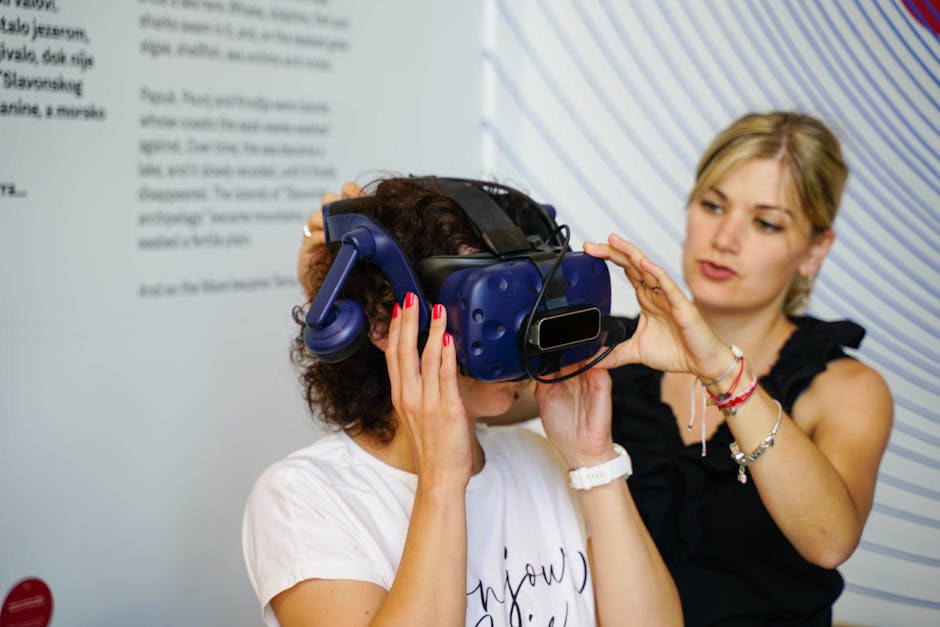
Implementing Virtual Reality in Classrooms: Transforming Education
As technology advances, educators are increasingly exploring innovative ways to enhance learning environments. One of the most exciting developments is the implementation of virtual reality in classrooms. VR offers immersive experiences that make lessons more engaging andInteractive, allowing students to explore complex concepts in a virtual space.
Implementing virtual reality effectively requires careful planning. Schools need to invest in quality VR hardware and software, as well as provide training for teachers. When integrated properly, VR can improve student understanding and retention, especially in subjects like history, science, and geography.
However, challenges such as budget constraints and technological infrastructure must be addressed. Establishing clear objectives and collaborating with edtech providers can help overcome these hurdles.
For educators interested in adopting virtual reality, beginning with pilot programs is a practical approach. By gradually expanding VR initiatives, schools can evaluate the impact and refine their strategies for a successful integration of virtual reality into classrooms.
Overall, the implementation of virtual reality in classrooms holds immense potential to transform education, making learning more interactive and accessible for students worldwide.