
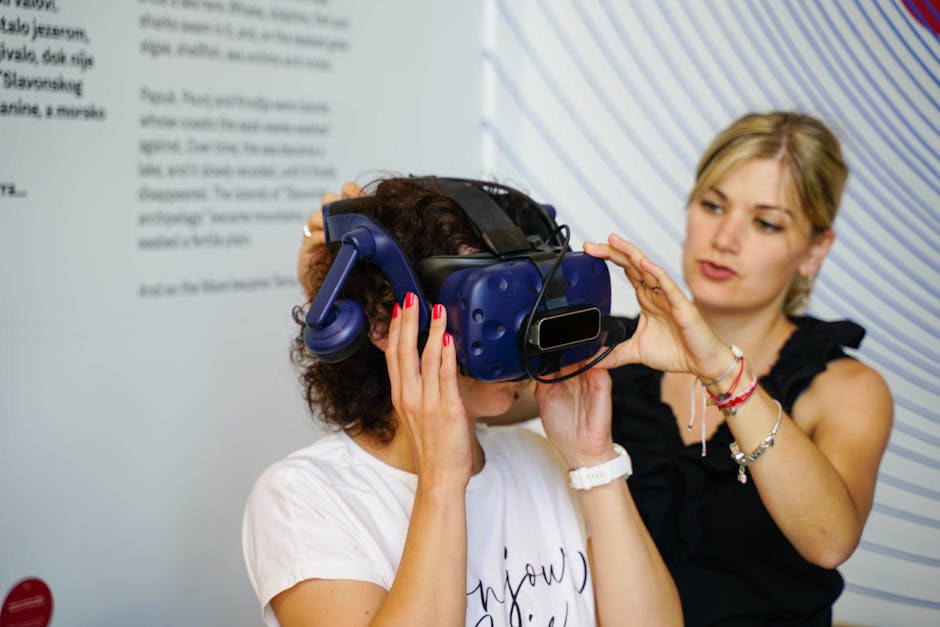
Transforming Education with Virtual Reality in Classrooms and Interactive Learning
The Future of Education: Virtual Reality in Classrooms
Virtual reality (VR in classrooms) is quickly becoming a transformative technology in the educational landscape. By integrating virtual environments into the curriculum, educators can create immersive experiences that bring subjects to life, making learning more engaging and memorable.
Benefits of Interactive Learning with VR
Interactive learning through virtual reality offers numerous advantages, including improved retention, increased motivation, and the ability to explore complex concepts in a safe, controlled setting. Whether it's visiting ancient civilizations or exploring the human body, students gain hands-on experience that traditional methods can't provide.
Implementing Virtual Reality in Your Classroom
To incorporate VR effectively, educators need to consider hardware requirements, curriculum integration, and student accessibility. Many platforms now offer affordable and user-friendly VR solutions that can be tailored to various educational levels. For more insights, check our guide on Implementing Virtual Reality in Classrooms.
The Impact of Interactive Learning Technologies
As technology advances, interactive learning tools become more sophisticated, allowing students to collaborate virtually and participate in simulations. These tools foster critical thinking and problem-solving skills, preparing students for a digital future.
Embracing virtual reality and interactive learning methods is a step toward more dynamic, inclusive, and effective education. By leveraging these innovations, educators can inspire curiosity and a lifelong love of learning.