
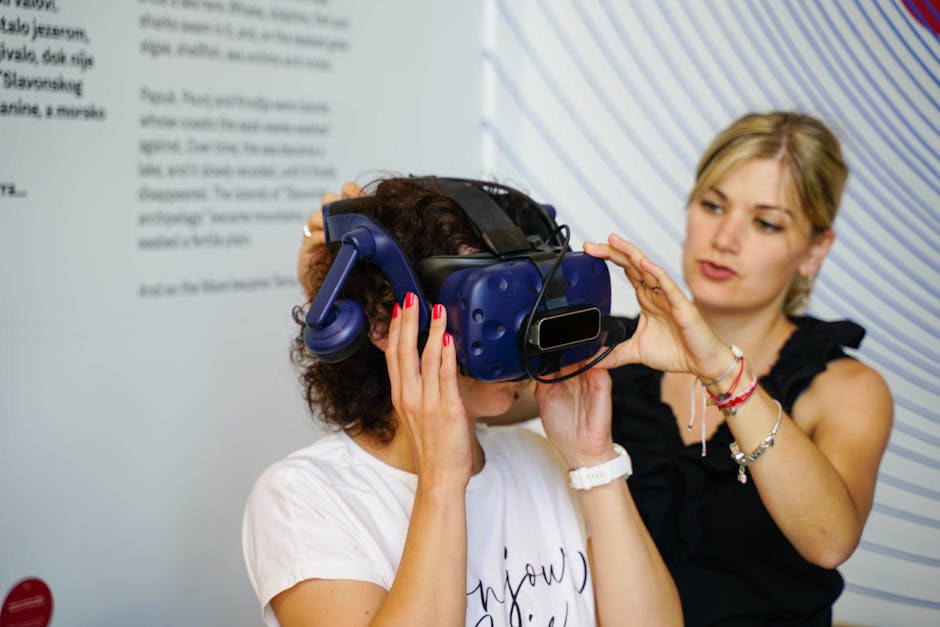
Enhancing Education with Virtual Reality in Classrooms and Virtual Field Trips
The Future of Education: Virtual Reality in Classrooms
Virtual reality (VR) technology is revolutionizing the way students learn and educators teach. By creating immersive learning environments, VR allows students to explore complex concepts in a more engaging and interactive way. Educators are increasingly incorporating virtual reality in classrooms to enhance lessons on topics such as history, science, and geography.
Experience Virtual Field Trips from Anywhere
One of the most exciting applications of VR in education is the ability to take virtual field trips. Students can visit iconic landmarks, museums, and natural wonders without leaving their classrooms. This technology makes learning more accessible and broadens students' horizons by exposing them to places they might not otherwise visit.
Benefits of Using VR in Education
- Enhances student engagement
- Provides experiences that are impossible in physical settings
- Supports diverse learning styles
- Encourages collaboration and teamwork in virtual environments
Challenges and Future Outlook
While VR offers numerous benefits, there are challenges such as cost, technical requirements, and content creation. However, as technology advances and becomes more affordable, it is expected that virtual reality in classrooms will become a standard component of education systems worldwide.
Embracing VR can transform traditional teaching methods and inspire students to learn actively and creatively. The future of education is immersive, interactive, and limitless thanks to virtual reality.