
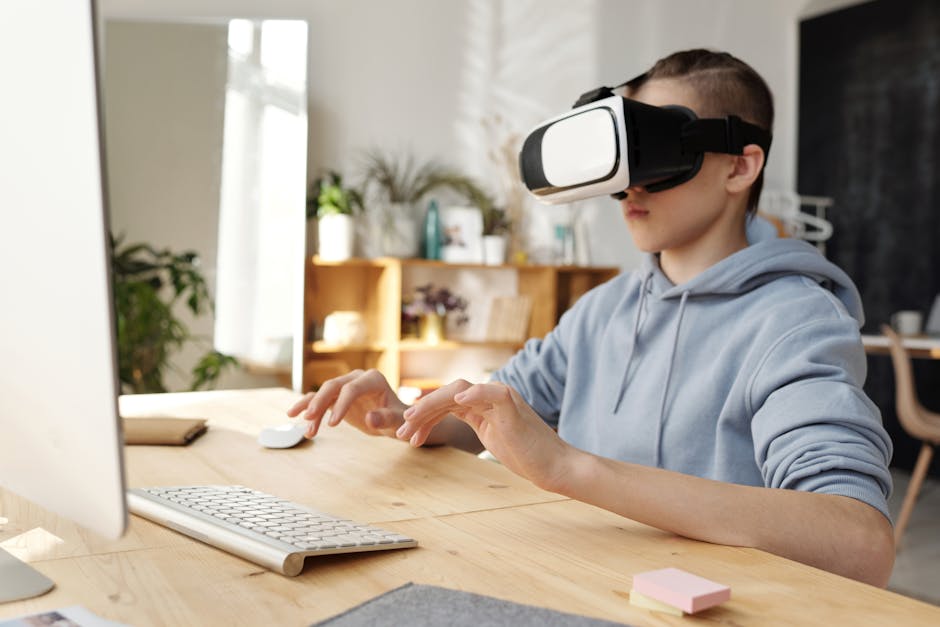
Virtual Reality in Education: Future Trends To Watch
Introduction to Virtual Reality in Education
Virtual reality (VR in education) is revolutionizing the way students learn by providing immersive and interactive experiences. Educators are increasingly adopting VR tools to enhance understanding and engagement across various subjects.
Current Applications of Virtual Reality in Education
Today, virtual reality is used in numerous educational settings, from virtual field trips to simulated laboratory experiments. For example, students can virtually explore historical landmarks or perform complex science experiments in a safe, controlled environment. This application of VR makes learning more engaging and memorable.
Future Trends in Virtual Reality & Education
The future of VR in education is promising, with emerging trends that include:
- Personalized Learning: Tailoring VR experiences to individual student needs using adaptive technologies.
- Remote Collaboration: Enabling students from different locations to work together in shared virtual environments.
- Enhanced Accessibility: Making immersive learning accessible to students with disabilities through specialized VR tools.
- Integration with AR & AI: Combining virtual reality with augmented reality and artificial intelligence for more dynamic educational experiences.
Challenges and Opportunities
While VR offers numerous benefits, challenges such as high costs and the need for technical training remain. However, as technology advances, these barriers are expected to decrease, making VR a staple in future educational landscapes. Explore more about challenges and opportunities associated with VR in education.
Conclusion
Virtual reality is not just a passing trend but a transformative force in education. By embracing future trends, educators and institutions can unlock new possibilities for immersive and effective learning experiences. Stay tuned for more updates on future trends in education technology.