
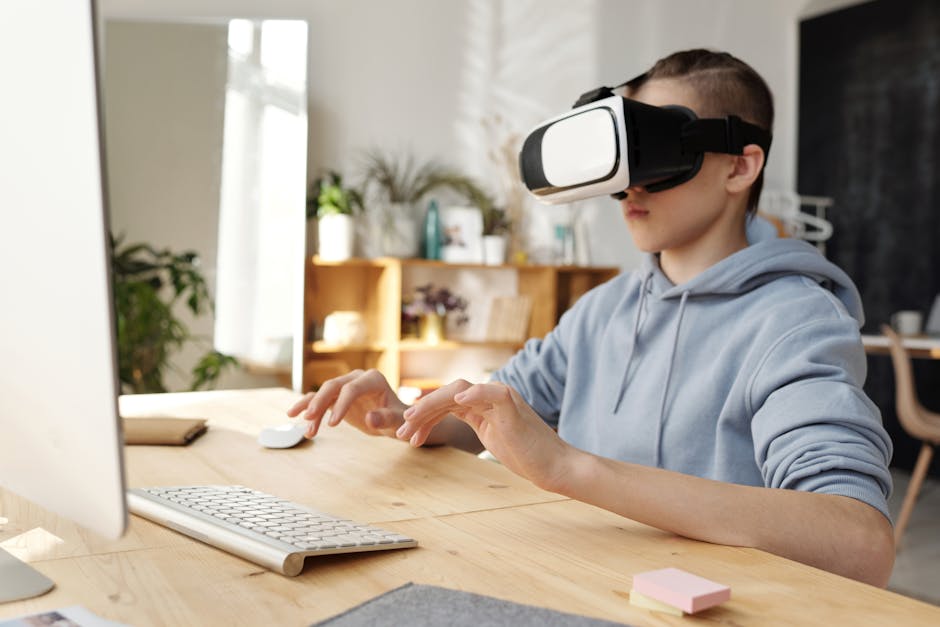
Enhancing Education with Virtual Reality and Immersive Learning Experiences
The Rise of Virtual Reality in Education
Virtual reality (VR) is revolutionizing the way students learn by offering immersive learning experiences that make complex concepts more understandable and engaging. By immersing students in simulated environments, educators are creating dynamic and interactive lessons that go beyond traditional teaching methods.
Benefits of Immersive Learning Experiences
One of the primary advantages of immersive learning experiences is increased student engagement. Students are more motivated and attentive when they can physically explore virtual worlds related to their coursework. Additionally, VR enhances knowledge retention by providing a memorable, hands-on approach to learning.
Practical Applications in Education
VR applications range from virtual field trips to simulated laboratory experiments. For example, science students can conduct virtual experiments safely and cost-effectively. History classes can take immersive tours of ancient cities, bringing historical sites to life through virtual tours.
Challenges and Future Perspectives
While VR offers exciting opportunities, challenges such as high costs and technical limitations still exist. However, as technology advances and prices decrease, VR is expected to become a standard component of modern education systems. Continuous development in this field promises to create more accessible and innovative future educational technologies.