
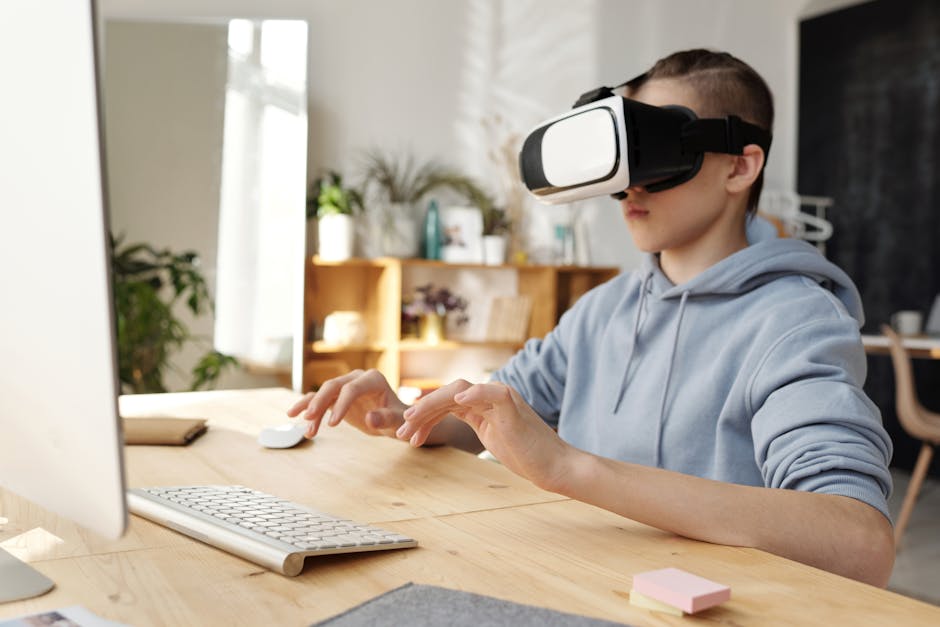
Enhancing Education with Virtual Reality Learning Environments
As technology continues to advance, educational institutions are increasingly adopting virtual reality learning environments to create more engaging and effective teaching methods. These immersive platforms offer students an opportunity to explore complex concepts in a realistic setting, making learning both fun and impactful.
One of the key advantages of virtual reality in education is its ability to simulate real-world scenarios that would otherwise be inaccessible. For example, students can walk through historical landmarks, manipulate molecular structures, or practice surgical procedures in a safe, controlled environment. This hands-on approach not only enhances understanding but also boosts retention.
Implementing VR-based educational tools requires careful planning and integration into curricula. Facilities equipped with VR headsets and compatible software can transform traditional classrooms into dynamic learning hubs. Educators can also utilize effective teaching strategies that leverage the unique capabilities of VR to foster collaboration and critical thinking among students.
As the technology becomes more accessible and affordable, the future of virtual reality in education looks promising. Schools adopting these innovative environments can better prepare students for the digital age, offering them skills and experiences that are increasingly important in today’s world.