
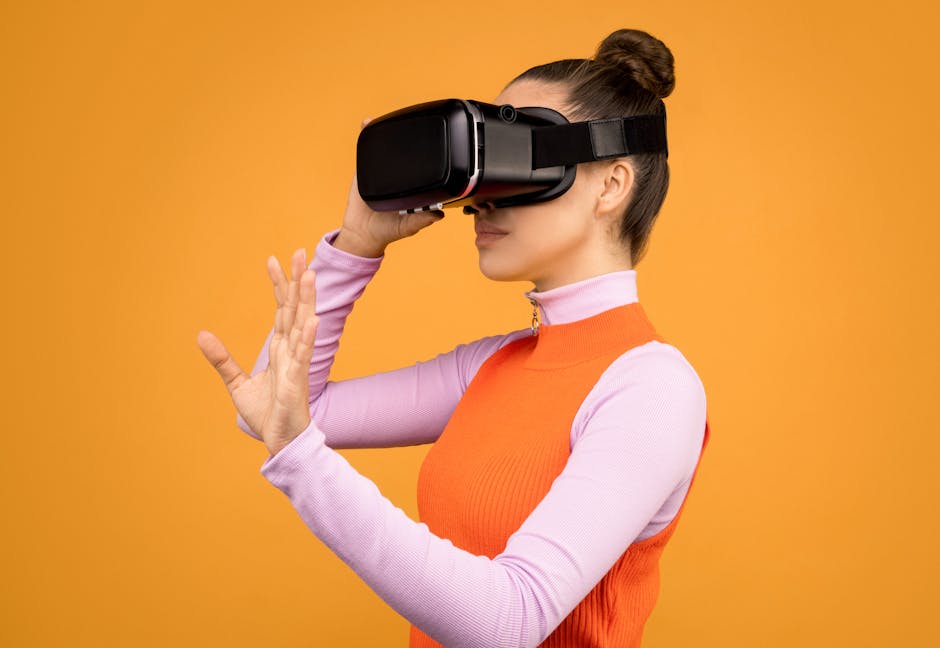
Virtual Reality Marketing: The Future of Immersive Brand Engagement
In today’s rapidly evolving digital landscape, virtual reality marketing is becoming a game-changer for brands seeking innovative ways to engage consumers. By creating immersive environments, companies can deliver memorable experiences that foster brand loyalty and boost sales.
Implementing virtual reality in marketing campaigns allows brands to showcase products in a virtual space, giving customers a firsthand experience without leaving their homes. Whether it’s testing new products or exploring virtual showrooms, VR helps bridge the gap between online and offline engagement.
One effective approach is to develop VR marketing ideas tailored to your target audience. For example, real estate companies use virtual walkthroughs to attract buyers, while automotive brands offer virtual test drives. These strategies not only enhance customer interaction but also differentiate your brand from competitors.
Moreover, integrating VR marketing strategies with social media efforts can amplify reach and impact. Sharing immersive experiences online encourages sharing and word-of-mouth referrals, helping your brand go viral.
As technology advances, the potential for virtual reality marketing continues to expand. Businesses that adopt VR early can gain a significant competitive advantage by delivering innovative, engaging, and personalized experiences to their customers.