
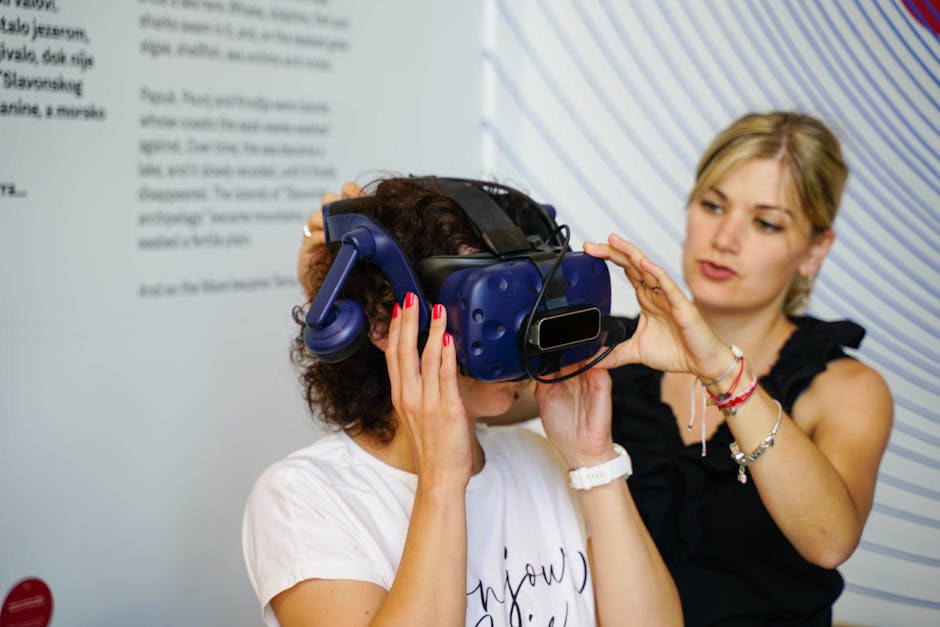
Virtual Reality Teaching Trends: Shaping the Future of Education
Introduction to Virtual Reality in Education
Virtual reality (VR) is revolutionizing the way educators approach teaching and learning. By providing immersive experiences, VR helps students grasp complex concepts more effectively. As virtual reality technology becomes more accessible, many schools are adopting innovative virtual reality teaching trends to enhance engagement and improve learning outcomes.
The Rise of Immersive Learning Experiences
One of the key trends in virtual reality teaching is the shift toward immersive learning. Students can explore virtual environments such as historical sites, biological systems, or distant planets, all from their classroom. This approach makes learning more interactive and memorable.
Benefits of Virtual Reality in Education
- Enhanced student engagement
- Improved retention of information
- Opportunities for experiential learning
- Accessibility to dangerous or distant locations
Popular VR Tools and Platforms
Various VR tools are now available for educators, such as VR educational platforms that facilitate lesson planning and student interaction. These tools support a variety of devices, making VR more versatile and scalable in different educational settings.
The Future of VR in Education
As VR teaching trends continue to evolve, we can expect increased integration with artificial intelligence and adaptive learning systems. This will enable personalized learning experiences and foster a more inclusive education environment.
Conclusion
Virtual reality teaching trends are opening new horizons for educators and students alike. Embracing these innovations can lead to more engaging, effective, and accessible education for all.