
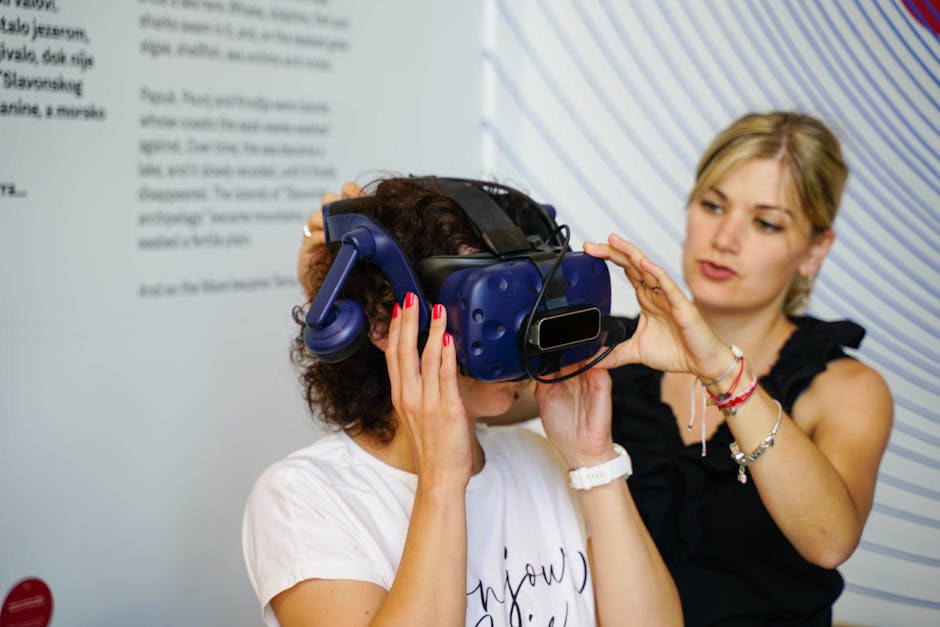
Emerging Virtual Reality Teaching Trends in Remote Education
The Rise of Virtual Reality in Remote Education
In recent years, virtual reality teaching trends have gained significant traction, revolutionizing the way educators approach remote education. By integrating immersive technology, teachers can create engaging and interactive learning experiences that transcend traditional classroom boundaries.
Benefits of Virtual Reality in Remote Learning
Implementing virtual reality in teaching offers numerous advantages, including enhanced student engagement, improved retention rates, and the ability to simulate real-world environments. This technology provides a immersive learning environment where students can explore topics deeply and develop practical skills effectively.
Current Trends Shaping VR in Remote Education
- Use of VR headsets for immersive lessons
- Virtual field trips to historical sites and distant locations
- Interactive simulations for science and engineering subjects
- Customized virtual classrooms for personalized learning experiences
Challenges and Future Outlook
Despite its promising potential, integrating virtual reality into remote education faces challenges such as high equipment costs, limited access, and the need for specialized teacher training. However, as technology continues to advance and become more affordable, the adoption of VR is expected to increase.
Stay informed about ongoing developments by exploring related topics like remote education and the future of teaching with technology.