
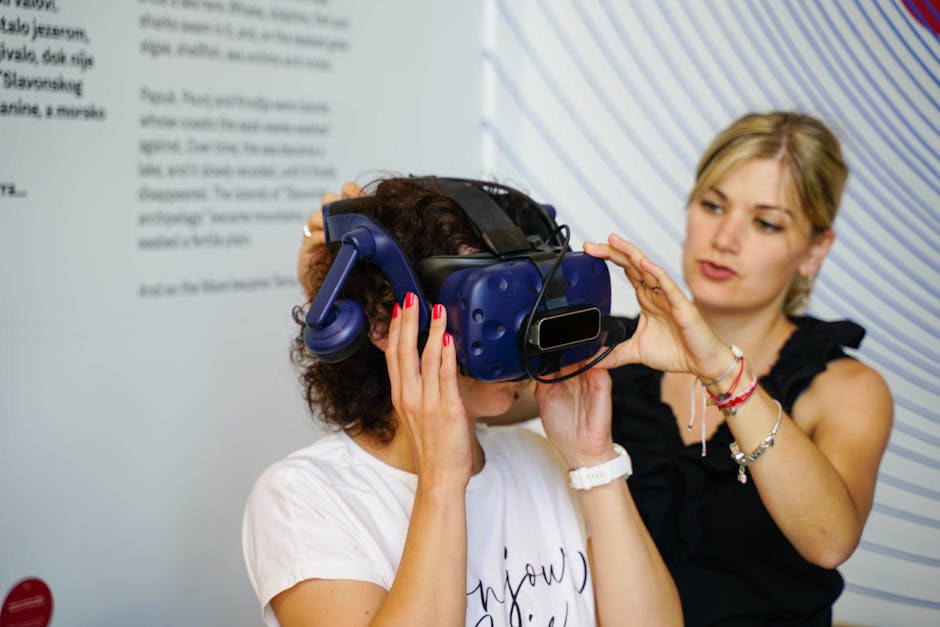
Virtual Reality Teaching Trends and Virtual Laboratories
In recent years, virtual reality teaching trends have revolutionized the way educators approach learning. By immersing students in interactive and realistic environments, VR technology enhances engagement and comprehension across various subjects.
One of the most impactful innovations within this sphere is the development of virtual laboratories. These digital simulations provide students with the opportunity to conduct experiments and practice skills in a safe, cost-effective, and accessible manner. Whether exploring complex chemistry reactions or practicing engineering techniques, virtual labs eliminate many of the constraints faced by traditional labs.
As technology continues to advance, educators are increasingly integrating VR into their curricula to foster experiential learning. The ability to simulate real-world scenarios helps students develop critical thinking and problem-solving skills. Moreover, virtual reality can bridge the gap for learners in remote or underserved areas, ensuring equitable access to quality practical education.
Looking ahead, the ongoing evolution of VR teaching methodologies suggests a future where virtual and augmented reality tools will become standard components of educational environments. Embracing these trends not only prepares students for a digital future but also makes learning more engaging, effective, and inclusive.