
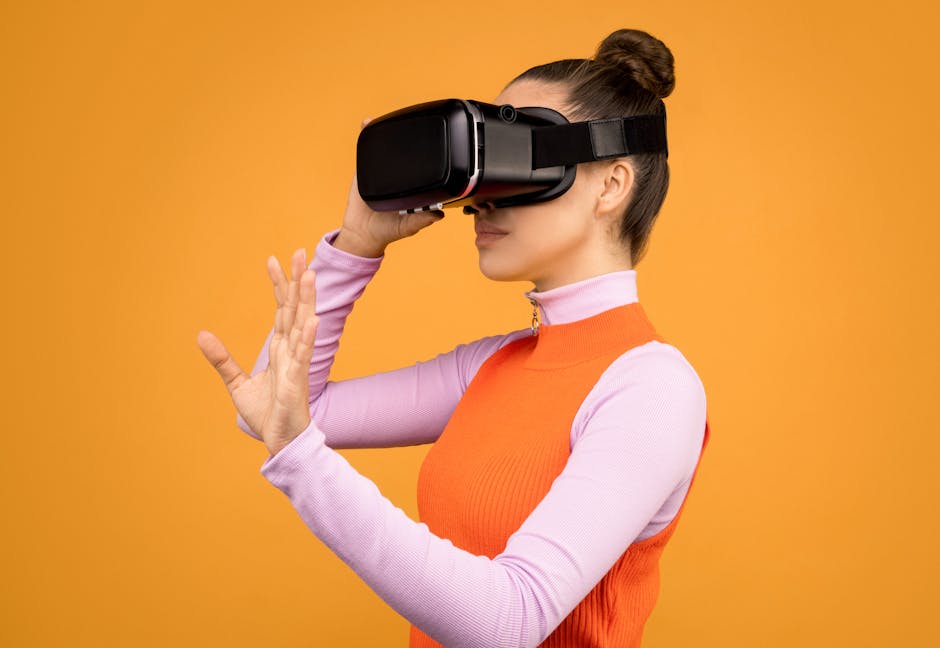
Exploring Virtual Reality Therapy: The Future of Mental Health Treatment
Virtual reality therapy (VRT) is an innovative approach to mental health treatment that leverages immersive technology to help patients confront and manage their psychological challenges. Unlike traditional therapy methods, VRT provides a controlled environment where individuals can safely experience scenarios related to their fears, anxieties, or traumas.
One of the key advantages of virtual reality therapy benefits is its ability to create realistic simulations that are tailored to each patient's needs. This customization allows for targeted interventions, whether it's exposure therapy for phobias, stress reduction techniques, or social skills training.
With advancements in VR hardware and software, therapists now can easily monitor progress and adjust scenarios in real-time. For example, people suffering from stress and anxiety disorders find relief through repeated exposure to calming virtual environments, which helps reduce their symptoms over time.
As the technology becomes more accessible, virtual reality therapy technology is increasingly integrated into clinical practices around the world. Researchers continue to explore new applications, making VR a promising tool in the future of mental health care.