
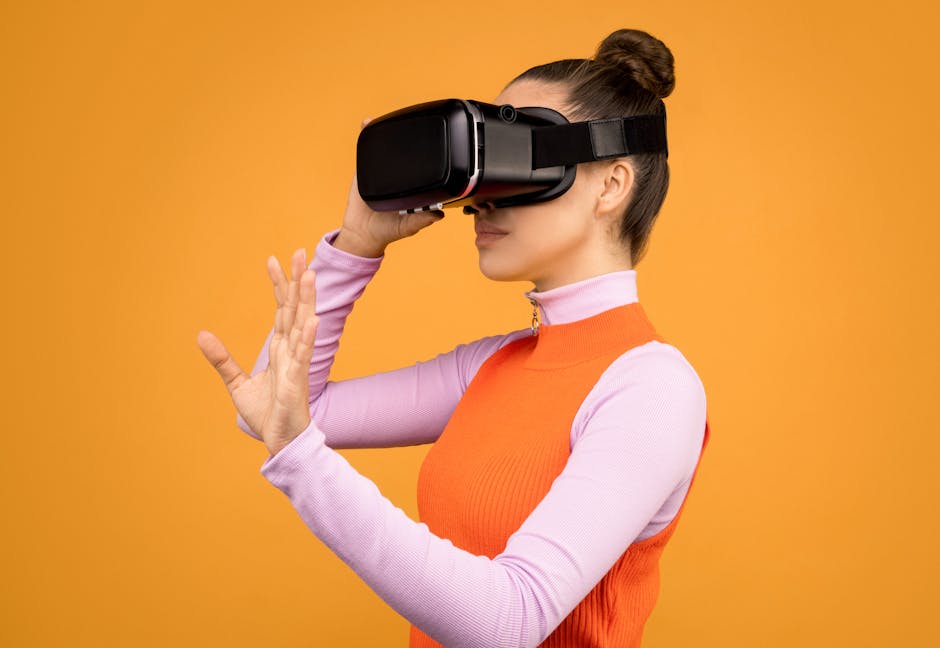
Unlocking the Potential of Virtual Reality Therapy for Mental Health
Virtual reality therapy is rapidly gaining recognition as an effective tool for treating a variety of mental health conditions. By immersing patients in controlled virtual environments, therapists can tailor interventions to suit individual needs and increase treatment adherence.
One of the key benefits of virtual reality therapy is its ability to promote enhanced engagement. Patients often find virtual environments more stimulating and less intimidating than traditional methods, leading to increased motivation and participation.
Moreover, virtual reality therapy is particularly effective for exposure therapy. It allows for gradual and controlled exposure to fears or traumatic memories, which can significantly reduce anxiety responses and facilitate recovery.
Additionally, the immersive nature of virtual reality helps in stress reduction. Patients can practice relaxation techniques within calming virtual settings, making it easier to manage stressors in real life.
As technology continues to evolve, the potential applications of virtual reality therapy are expected to expand, offering new hope for patients struggling with mental health challenges. If you're interested in learning more, explore how clinical applications are providing innovative solutions for mental health treatment.