
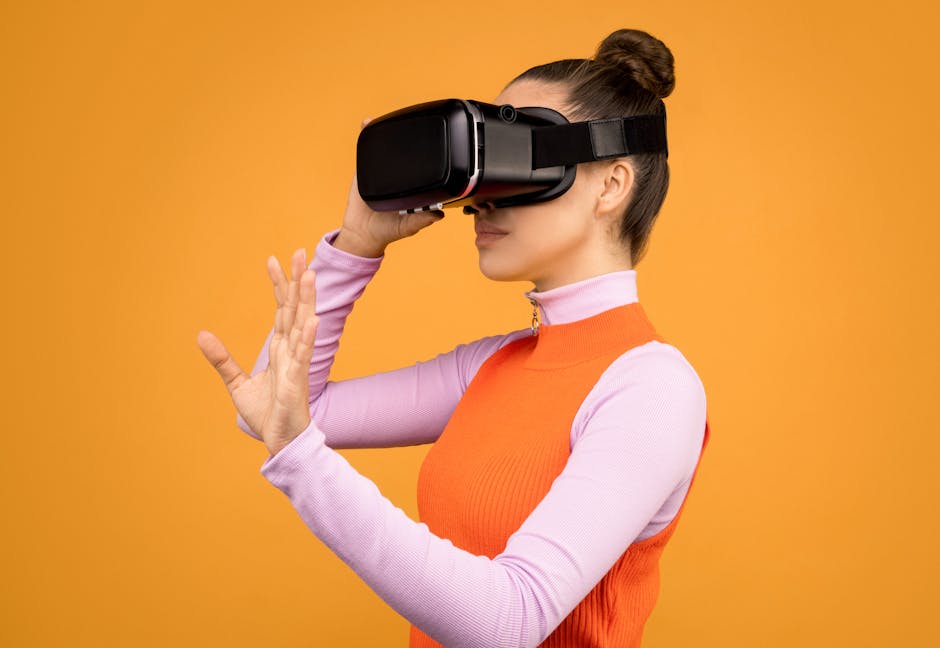
Virtual Reality Therapy: Breakthroughs and Future Directions
Introduction to Virtual Reality Therapy
Virtual reality (VR) therapy has emerged as a revolutionary approach in mental health treatment, offering immersive environments that can be tailored to individual needs. Unlike traditional methods, VR therapy breakthroughs leverage cutting-edge technology to provide more effective interventions for conditions such as anxiety, PTSD, and phobias.
Recent Breakthroughs in Virtual Reality Therapy
Recent advancements in VR hardware and software have significantly enhanced the efficacy of therapeutic applications. Innovations such as immersive simulations and real-time biofeedback integration are now commonplace, allowing therapists to better track and respond to patient progress. These breakthroughs are paving the way for more personalized and scalable mental health solutions.
Potential Future Directions
Looking ahead, the future of VR therapy holds promising opportunities. Researchers are exploring future directions such as the integration of artificial intelligence to adapt therapy scenarios dynamically, and the use of augmented reality to blend virtual and real-world interactions seamlessly. These developments could further increase accessibility and effectiveness.
Challenges and Considerations
Despite these promising advancements, there are still challenges to address. Ensuring user safety, maintaining data privacy, and preventing simulation-induced discomfort are essential considerations for the continued success of VR therapy. Industry stakeholders must collaborate to establish best practices and standards.
Conclusion
Virtual reality therapy is rapidly evolving, with breakthroughs that are transforming mental health treatment. As research advances and technology improves, future directions point toward highly personalized, accessible, and effective therapeutic options for individuals worldwide.