
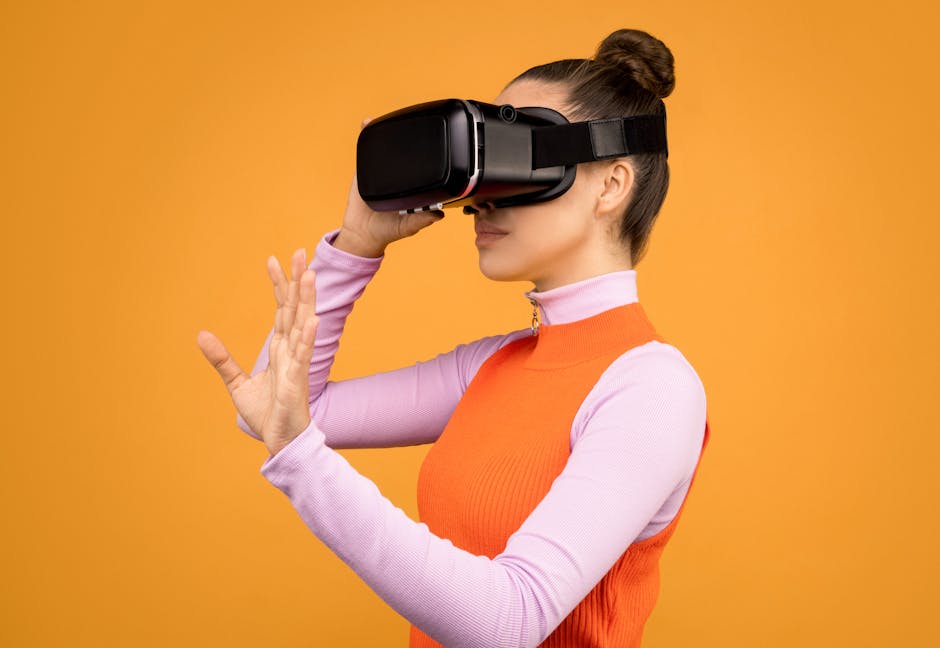
Virtual Reality Therapy Breakthroughs and Latest Technologies
Introduction to Virtual Reality Therapy
Virtual reality (VR) therapy has emerged as a groundbreaking approach in mental health treatment. By immersing patients in controlled virtual environments, therapists can help address a range of psychological issues, including anxiety, PTSD, and phobias. Recent breakthroughs in VR technology have significantly enhanced the effectiveness and accessibility of these therapies.
Recent Breakthroughs in VR Therapy
Innovations such as immersive environments tailored to individual needs, real-time biometric feedback integration, and improved hardware have expanded the potential of VR in clinical settings. These breakthroughs enable more personalized and adaptive therapeutic experiences, resulting in better patient outcomes.
Latest Technologies Shaping the Future
The future of latest VR technologies includes advancements in haptic feedback, eye-tracking, and artificial intelligence. Such innovations facilitate more realistic simulations and allow therapists to monitor patient responses closely. As these technologies become more affordable, VR therapy is expected to reach more clinics and patients worldwide.
Benefits of VR Therapy
Compared to traditional methods, VR therapy offers a safe and controlled environment for exposure therapy, enhances engagement, and accelerates progress. Patients report feeling more comfortable and motivated during sessions, which contributes to more effective treatment processes.
Conclusion
The continuous evolution of virtual reality technology is transforming mental health treatment. As research advances and technology becomes more accessible, VR therapy is poised to become a standard option for diverse psychological conditions, improving outcomes and patient experiences worldwide.