
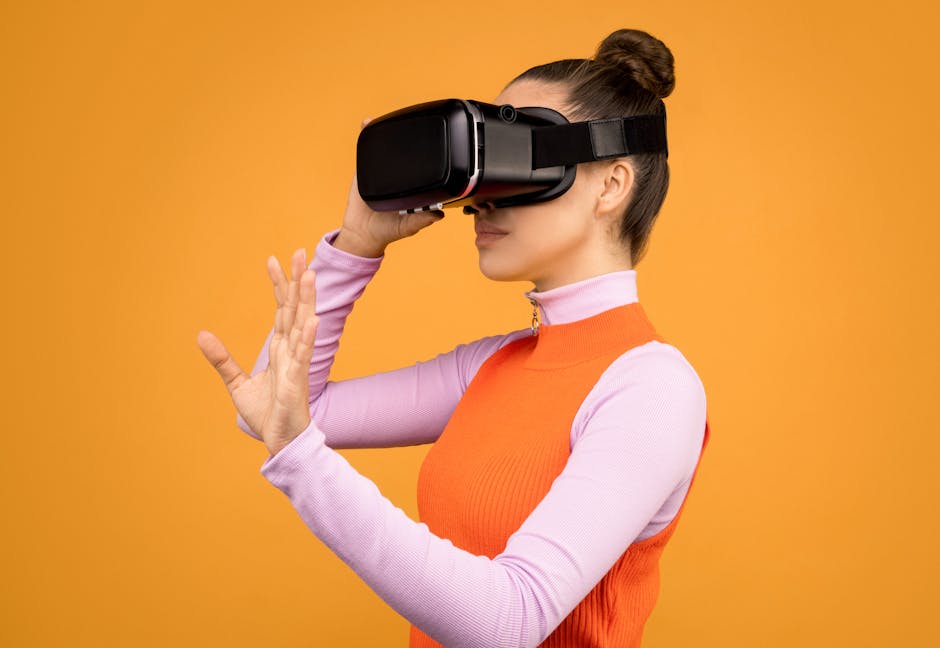
Exploring Virtual Reality Therapy for Mental Health: Benefits and Insights
Understanding Virtual Reality Therapy
Virtual reality therapy (VRT) is an innovative approach that leverages immersive technology to treat various mental health conditions. By simulating real-world environments, VRT helps individuals confront and manage their fears, anxieties, and traumatic memories in a controlled setting.
Key Benefits of Virtual Reality Therapy
- Enhanced Engagement: The immersive nature of virtual reality keeps patients actively involved in their treatment process.
- Controlled Environment: Therapists can tailor scenarios to match the patient's needs, ensuring safe exposure therapy.
- Improved Outcomes: Studies suggest that VRT can lead to faster recovery rates for conditions such as PTSD and phobias.
- Increased Accessibility: Virtual reality allows remote therapy sessions, expanding access to mental health services.
Enhanced Engagement through Immersive Experiences
The engaging and interactive nature of virtual reality can make therapy sessions more effective, especially for individuals who struggle with traditional talk therapy methods. This immersive approach encourages active participation and helps reinforce therapeutic techniques.
Creating a Controlled Therapeutic Environment
Therapists can design customized scenarios that address specific fears or triggers, such as flying or public speaking. This allows for gradual exposure and helps build confidence in managing real-life situations.
Evidence Supporting Better Outcomes
Research indicates that virtual reality therapy can be particularly effective for treatment-resistant cases of anxiety disorders, offering new hope for patients who have not responded well to traditional therapies.
Accessibility and Remote Therapy Options
With advancements in technology, virtual reality therapy can now be accessed remotely, making mental health support more accessible to people in rural or underserved areas.
As virtual reality technology continues to evolve, its applications in mental health therapy are becoming increasingly promising. Whether used as a supplement to traditional methods or as a stand-alone treatment, VRT holds the potential to revolutionize mental health care worldwide.