
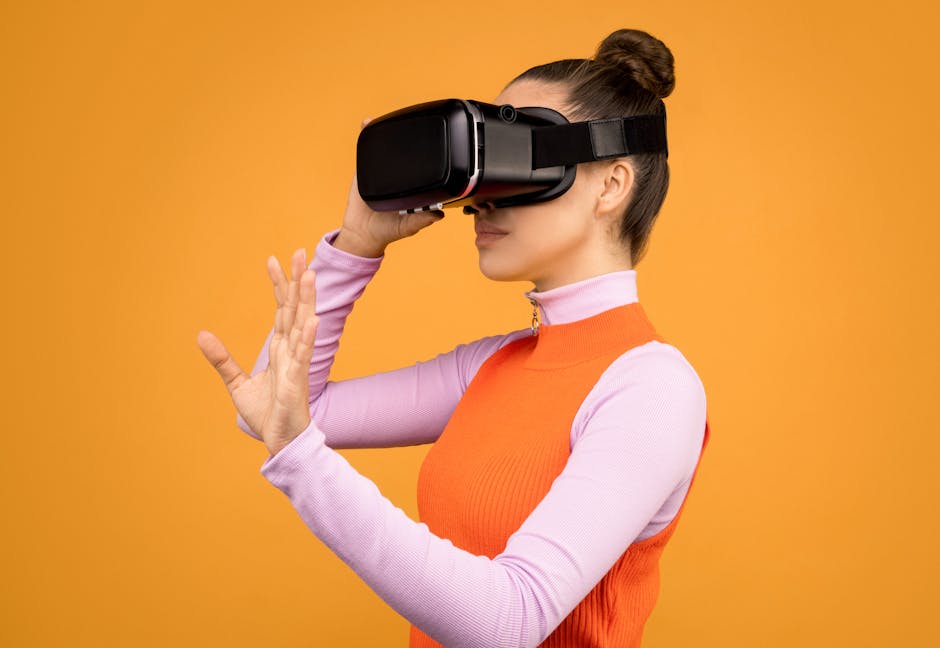
Innovations in Virtual Reality Therapy with AI-Driven Virtual Therapists
Revolutionizing Mental Health with Virtual Reality Technology
Virtual reality (VR) therapy has emerged as a groundbreaking approach in treating various mental health conditions. By immersing patients in controlled virtual environments, therapists can address phobias, anxiety, and post-traumatic stress disorder (PTSD) more effectively. The integration of virtual reality therapy innovations continually enhances the treatment experience, making it more engaging and customizable.
The Role of AI in Virtual Therapy
Artificial intelligence (AI) plays a crucial role in advancing virtual therapy by powering AI-driven virtual therapists. These virtual professionals can offer personalized support, adapt treatment plans in real-time, and provide 24/7 accessibility to patients. This technology ensures that mental health support is more available, scalable, and tailored to individual needs.
Benefits of AI and VR Integration
- Enhanced patient engagement through immersive environments
- Improved accuracy in diagnosis and treatment adjustments
- Reduced stigma by offering anonymous therapy options
- Increased accessibility for remote or underserved populations
Future Prospects of Virtual Therapy Innovations
The future of virtual reality therapy innovations combined with AI is promising. Researchers are exploring augmented reality therapies and smarter virtual assistants that can simulate human-like empathy. As technology continues to evolve, virtual therapy will become more integrated into mainstream mental health care, offering cost-effective and scalable solutions for millions worldwide.
Conclusion
By embracing these innovations in virtual reality therapy and leveraging AI-driven virtual therapists, the mental health industry is poised for a significant transformation. These technologies not only improve treatment outcomes but also democratize access to mental health resources, creating a more inclusive and effective future for therapy.