
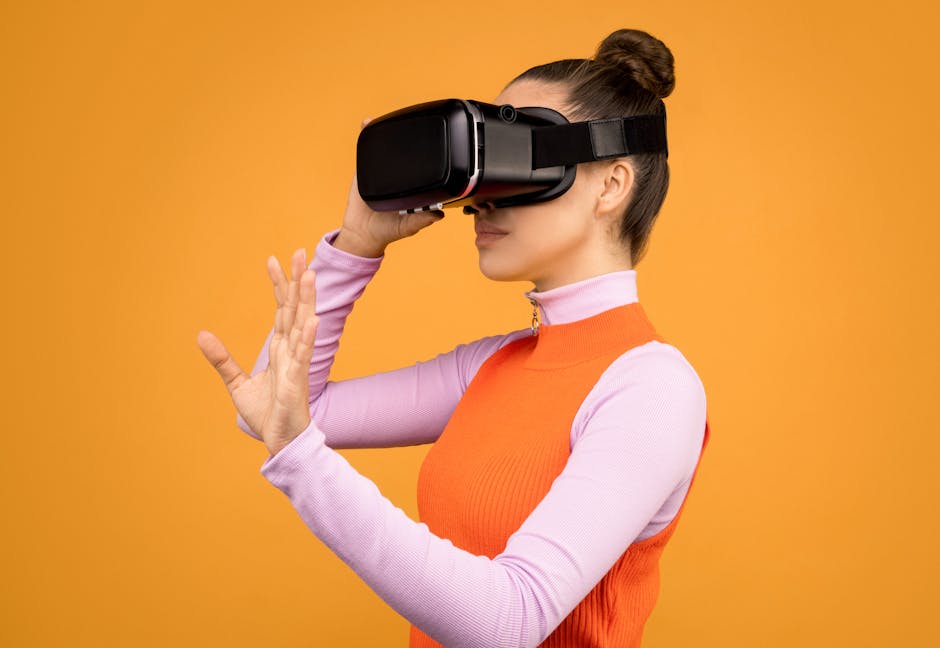
Innovations in Virtual Reality Therapy and Augmented Virtual Interactions
Introduction to Virtual Reality Therapy and Augmented Virtual Interactions
In recent years, virtual reality therapy innovations have revolutionized mental health treatment, offering immersive experiences for overcoming phobias, anxiety, and PTSD. Simultaneously, augmented virtual interactions are changing how users engage with digital content, creating more realistic and interactive environments.
The Advancements in Virtual Reality Therapy
Recent developments in virtual reality therapy include personalized treatment programs, real-time biofeedback, and increased accessibility through portable headsets. Clinics are now able to tailor immersive scenarios to individual patient needs, making therapy more effective and engaging.
The Role of Augmented Virtual Interactions in User Engagement
Augmented virtual interactions enhance user engagement by integrating virtual objects into real-world settings. This technology benefits industries such as education, gaming, and remote collaboration, providing an enriched experience beyond traditional interfaces.
Future Trends and Potential Impact
As these technologies continue to evolve, we expect greater integration with artificial intelligence, improved realism, and wider accessibility. They hold the potential to not only transform mental health treatment but also redefine digital interaction paradigms across sectors.
Conclusion
Innovations in virtual reality therapy and augmented virtual interactions are opening new horizons for health care, education, and entertainment. Staying informed about these advancements can help leverage their full potential for better outcomes and more immersive experiences.