
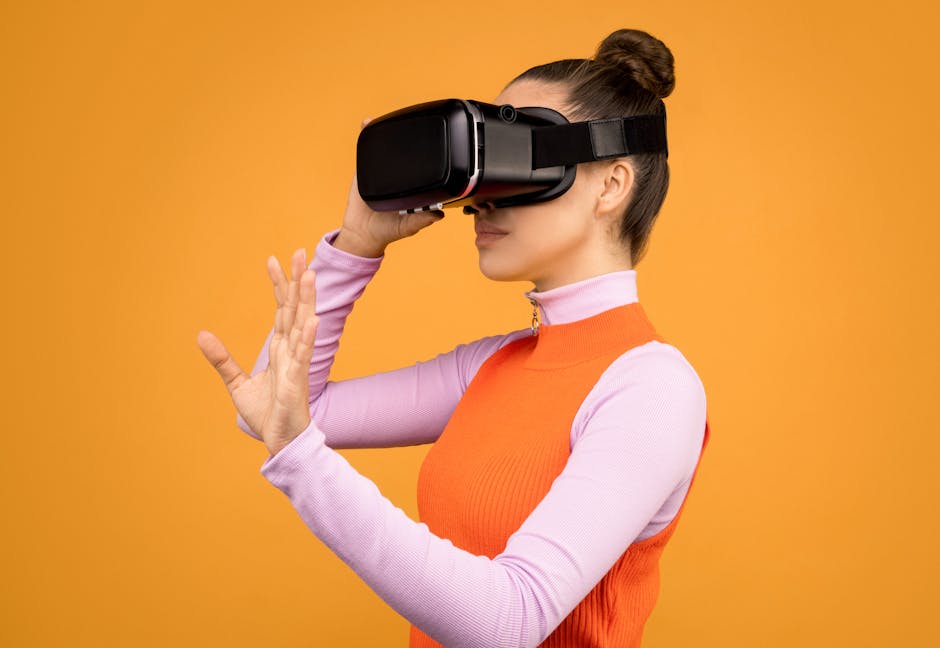
Innovations in Virtual Reality Therapy: Transforming Mental Health Treatments
Virtual reality therapy (VRT) has emerged as a groundbreaking approach in mental health care, offering immersive experiences that help clients confront and manage various psychological conditions. Recent innovations in virtual reality therapy are expanding its possibilities beyond traditional methods, making therapy more accessible and effective.
One notable advancement is the development of tailored virtual environments designed to treat specific conditions such as post-traumatic stress disorder (PTSD) and phobias. These environments allow patients to safely confront their fears in a controlled setting, facilitating quicker and more sustained recovery.
Moreover, the integration of virtual reality therapy with biofeedback and artificial intelligence enhances the personalization of treatment plans. Therapists can monitor physiological responses in real-time, adjusting scenarios to optimize therapeutic outcomes.
Another exciting innovation is the use of portable VR devices, which enable remote therapy sessions. This opens doors for individuals in rural or underserved areas to receive quality mental health care without the need to visit clinics physically.
As technology continues to advance, the future of virtual reality therapy looks promising, with ongoing research aiming to improve user experience, increase affordability, and expand its application to a broader range of psychological conditions.