
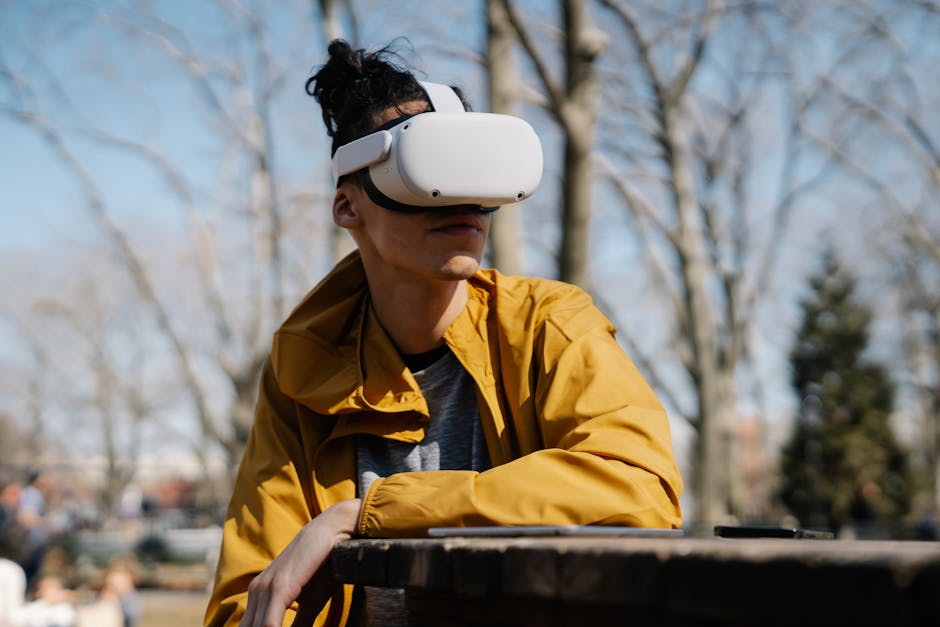
Virtual Reality in Urban Planning: Transforming Cities of the Future
As cities continue to grow and evolve, urban planning has become increasingly complex. Virtual reality in urban planning offers a groundbreaking approach to designing and managing urban environments. Through immersive simulations, city officials, architects, and residents can experience proposed developments before they are built, facilitating better decision-making.
One of the key benefits of using virtual reality in urban design is the ability to visualize large-scale projects with high precision. Stakeholders can walk through 3D models of city layouts, view traffic flow, and assess the impact of new constructions in a realistic setting. This technology helps to identify potential issues early, saving time and resources during the planning process.
Moreover, VR fosters greater collaboration among urban planners, developers, and community members. Public consultations can be more engaging when residents experience proposed changes firsthand, leading to more inclusive and accepted urban development strategies.
Looking ahead, the integration of smart infrastructure and virtual reality will further enhance city planning. Smart sensors and IoT devices, combined with VR visualization, will allow for dynamic simulations of traffic management, energy consumption, and environmental impact, paving the way for smarter, more sustainable cities.
Ultimately, virtual reality is a powerful tool that is shaping the future of urban planning. By embracing this technology, cities can become more efficient, inclusive, and adaptable to the challenges of tomorrow.