
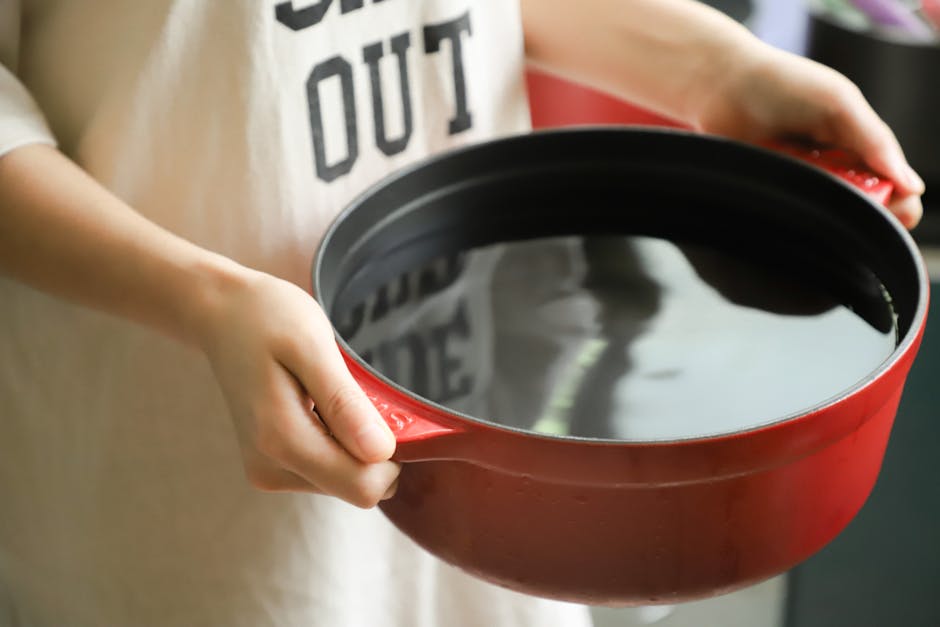
Effective Water Purification Methods: The Boiling Technique
Access to clean and safe drinking water is vital for health and wellbeing. Among various water purification methods, boiling stands out as one of the most straightforward and effective techniques, especially in emergency situations or in areas with limited resources.
Why Boiling Is an Effective Water Purification Method
Boiling water is a simple process that involves heating water until it reaches its boiling point, typically 100°C (212°F). This method effectively kills bacteria, viruses, and parasites that can cause waterborne illnesses. Boiling water is recommended by health authorities worldwide for ensuring the safety of drinking water, especially when water quality is uncertain.
How to Properly Boil Water
To ensure the effectiveness of boiling as a water purification method, follow these steps:
- Use clean, covered pots or containers to prevent recontamination.
- Bring water to a rolling boil and maintain this state for at least 1 minute. At elevations above 2,000 meters, boiling for 3 minutes is recommended.
- Allow the boiled water to cool before storing it in clean, covered containers.
Limitations and Considerations
While boiling effectively kills most pathogens, it does not remove chemical contaminants or heavy metals. For waters suspected of chemical pollution, additional treatment methods such as filtration or chemical disinfection may be necessary.
In summary, boiling remains one of the most accessible and cost-effective water treatment methods worldwide. Remember to follow proper techniques to ensure the purity and safety of your drinking water.