
Whole Foods for Optimal Nutrition and Energy
Enhancing Your Health with Whole Foods
Adopting a diet rich in whole foods can significantly improve your overall health. Whole foods include naturally unprocessed or minimally processed items like fruits, vegetables, grains, nuts, and seeds that provide essential nutrients your body needs.
The Role of Whole Foods in Providing Energy
Unlike highly processed foods that can cause blood sugar spikes and crashes, whole foods for energy offer sustained energy release. This helps you stay alert and active throughout the day.
Top Whole Foods to Incorporate Daily
- Fruits such as berries, apples, and oranges provide vitamins and antioxidants.
- Vegetables like spinach, broccoli, and carrots are packed with fiber and minerals.
- Whole grains such as oats, brown rice, and quinoa give slow-digesting carbs for lasting energy.
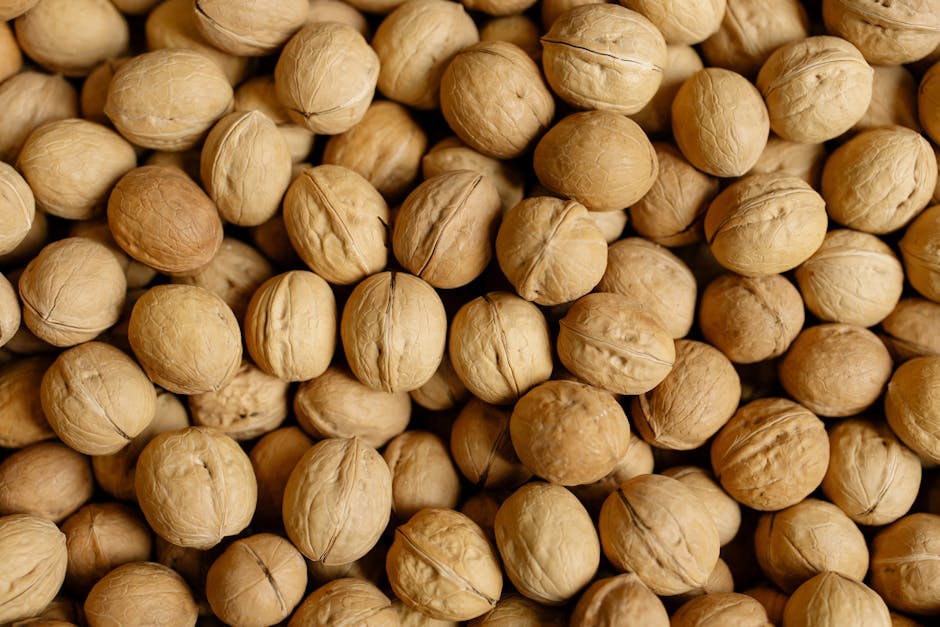
- Nuts and seeds like almonds, chia seeds, and flaxseeds boost nutrient intake and provide healthy fats.
Practical Tips for Incorporating Whole Foods
Start by replacing processed snacks with fresh fruit or nuts. Incorporate whole grains into your meals instead of refined ones. Planning your meals ahead can help ensure a steady intake of these nutritious foods. For more ideas, visit our meal planning with whole foods section.
Conclusion
Making simple changes to include more whole foods in your diet can have profound effects on your energy levels and overall health. Embrace these nutrient-dense options for a healthier you.