
Indigenous Storytelling and Resistance: Preserving Culture Through Narratives
The Power of Indigenous Storytelling
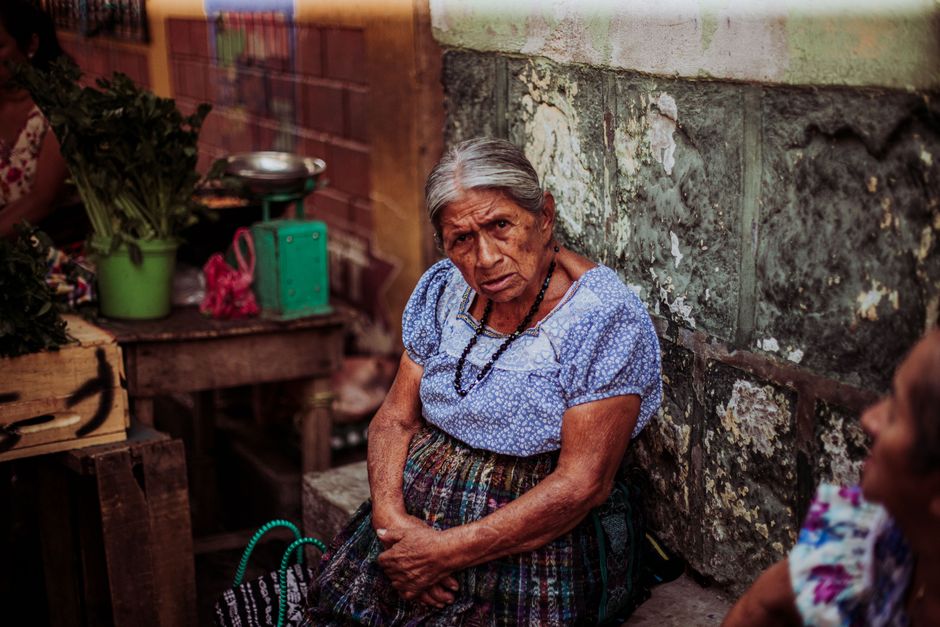
Indigenous storytelling is a vital tradition that carries the history, values, and beliefs of communities across generations. These narratives often include legends, myths, and oral histories that uphold cultural identity and serve as a means of resistance against cultural erosion.
Storytelling as a Form of Resistance
In many Indigenous communities, storytelling is more than entertainment; it is a way to preserveancestral knowledge and challenge colonial narratives that seek to erase their history. By actively sharing their stories, Indigenous peoples assert their rights and sovereignty over their cultural heritage.
Contemporary Efforts to Preserve Indigenous Narratives
Modern initiatives include recording oral histories, creating digital archives, and promoting Indigenous literature. These efforts ensure that stories continue to thrive and reach wider audiences, fostering understanding and respect. To learn more about efforts supporting Indigenous language preservation.
The Role of Education and Community
Education systems are increasingly incorporating Indigenous stories into curricula, providing a platform for younger generations to connect with their heritage. Community storytelling circles also play a crucial role in maintaining and nurturing these traditions.
Conclusion
Indigenous storytelling is a resilient and dynamic form of cultural resistance. By sharing their stories, Indigenous communities continue to affirm their identity and challenge forces that threaten their sovereignty. Embracing and supporting these narratives is essential for the preservation of world cultural diversity.