
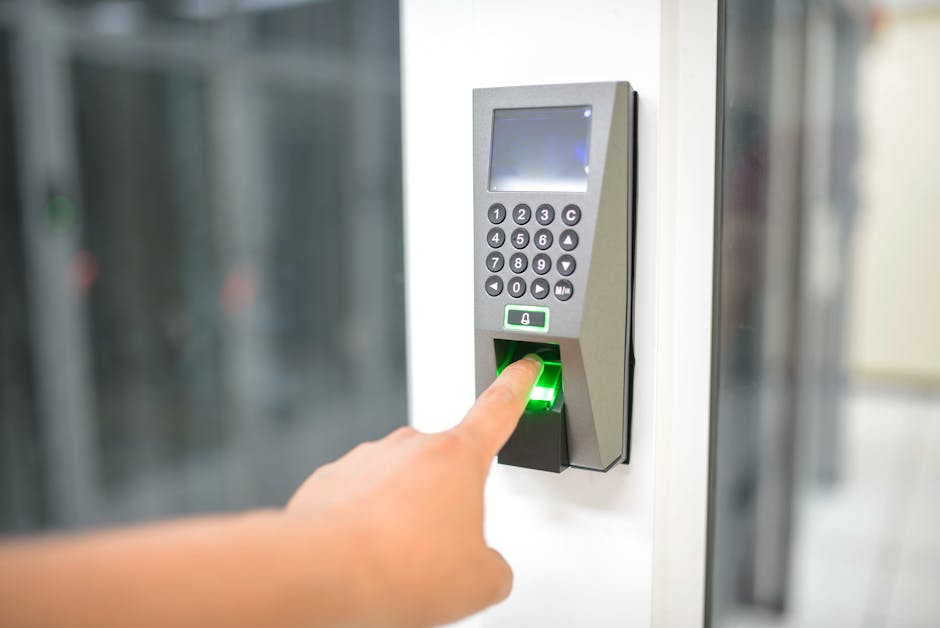
Next Generation Biometric Verification: The Future of Secure Authentication
In today's digital world, ensuring secure and seamless user authentication has never been more important. Next generation biometric verification is at the forefront of this revolution, offering advanced methods to verify identity with unprecedented accuracy and convenience.
Traditional methods like passwords and PINs are increasingly vulnerable to theft and hacking. Biometric verification provides a more robust solution by using unique physiological or behavioral characteristics such as fingerprints, facial recognition, or voice patterns. Innovations in this field are leading to highly reliable systems that can be deployed across various sectors including banking, healthcare, and government agencies.
Emerging Technologies in Biometric Verification
Recent advancements involve multispectral fingerprint scanning, vein pattern recognition, and even behavioral biometrics such as keystroke dynamics. These methods enhance security and improve user experience by making authentication faster and more user-friendly.
Moreover, biometric verification in healthcare is helping streamline patient identification and ensure privacy. As technology continues to evolve, integration with artificial intelligence and machine learning will make biometric systems smarter, more adaptable, and resistant to spoofing attempts.
Challenges and Future Outlook
Despite its many advantages, implementing next generation biometric verification also presents challenges related to data privacy, storage, and ethical concerns. Developers and organizations must adhere to strict security standards and regulations to protect user data.
Looking ahead, the adoption of future trends in biometric verification is set to grow, driven by IoT devices, mobile technology, and increased demand for contactless solutions. This evolution will pave the way for more secure, efficient, and user-centric authentication systems worldwide.