
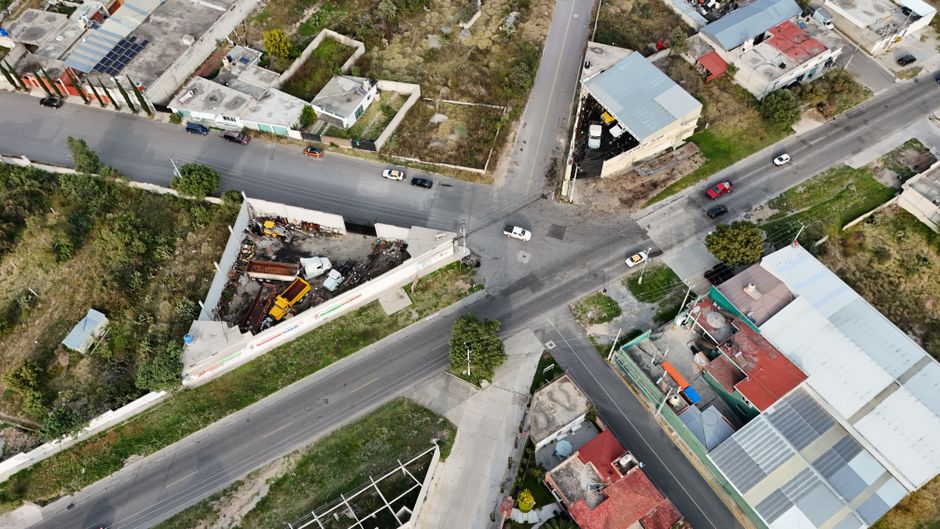
Understanding Urban Sprawl and Land Development
Introduction to Urban Sprawl and Land Development
Urban sprawl refers to the uncontrolled expansion of urban areas into surrounding rural land, often driven by increasing population and demand for housing. Land development involves transforming natural or vacant land into residential, commercial, or industrial areas. Both processes significantly influence the growth and layout of cities.
The Causes of Urban Sprawl
Several factors contribute to urban sprawl, including suburbanization, economic growth, and transportation advancements. As cities expand outward, they utilize land that was previously undeveloped, leading to extensive land development.
Impacts on Environment and Community
While urban expansion can boost economic development, it often poses challenges such as habitat destruction, increased traffic congestion, and strain on infrastructure. Communities may experience loss of green space and increased pollution. Sustainable growth strategies aim to balance development with environmental preservation.
Strategies for Sustainable Land Use
Implementing smart growth practices, promoting higher-density housing, and preserving open spaces are essential for sustainable land development. Urban planning that encourages transit-oriented development can help contain sprawl and create more livable cities.