
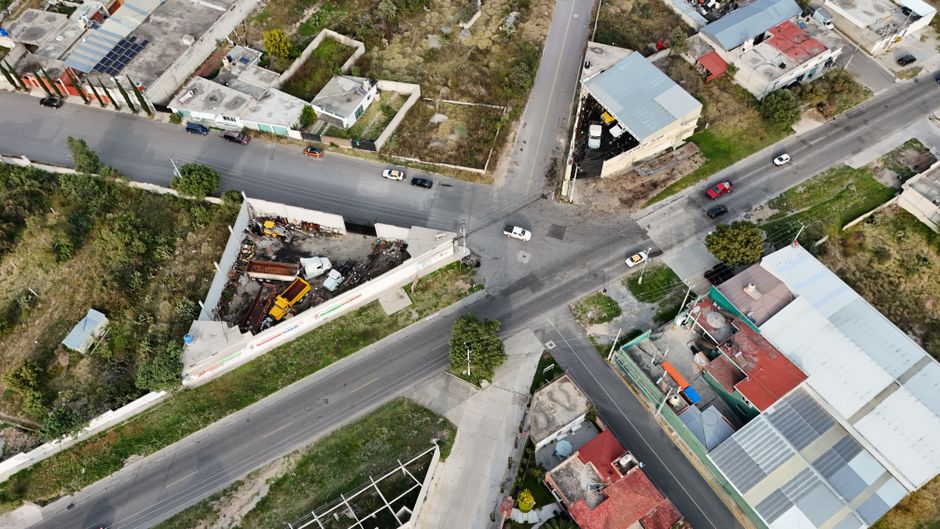
Understanding Urban Sprawl and Land Development
Introduction to Urban Sprawl and Land Development
Urban sprawl refers to the uncontrolled expansion of urban areas into surrounding rural land, often characterized by low-density development and increased reliance on automobiles. This phenomenon significantly influences land development patterns and urban planning strategies.
What Causes Urban Sprawl?
Several factors contribute to urban sprawl, including population growth, affordability of land, and decentralization of job opportunities. Urban expansion strategies are crucial to managing these trends effectively.
The Impact of Land Development
Land development transforms natural landscapes into built environments, affecting ecosystems and local communities. Thoughtful land use planning can balance growth needs with environmental preservation.
Challenges of Urban Sprawl
Challenges include increased traffic congestion, pollution, and loss of green spaces. Urban planners aim to create sustainable solutions like smart growth and density improvements to mitigate these issues.
Benefits of Controlled Land Development
Smart land development promotes economic growth, efficient resource use, and improved living environments. Integrating concepts like mixed-use development can lead to more livable communities.
Conclusion
Understanding the relationship between urban sprawl and land development is essential for creating sustainable cities. By implementing responsible planning practices, communities can enjoy growth while conserving their natural surroundings.