
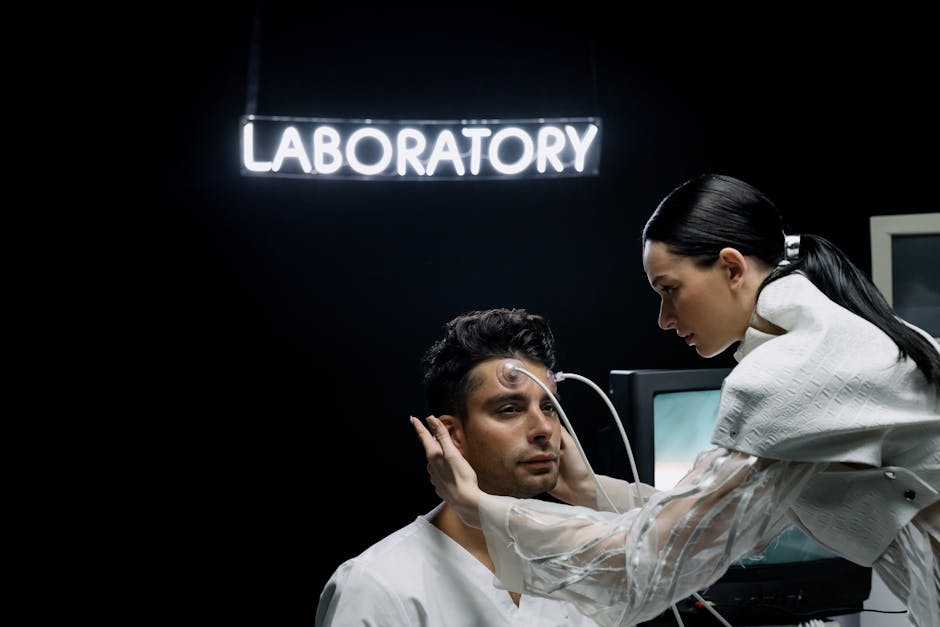
Bioengineering and the Future of Human Evolution
The Role of Bioengineering in Shaping Human Evolution
Bioengineering is transforming the way we understand and influence human biology. By integrating principles from biology, engineering, and genetics, this field aims to develop innovative solutions that can enhance human health and capabilities.
One of the most promising areas is medical bioengineering, which is enabling the creation of advanced medical devices, tissue engineering, and gene therapies. These developments are helping treat previously incurable diseases and improve quality of life.
Emerging Technologies and Human Enhancement
Emerging bioengineering technologies, such as CRISPR gene editing and regenerative medicine, are paving the way for potential enhancements in human abilities. Researchers are exploring ways to increase lifespan, improve physical and cognitive functions, and even modify genetic traits.
These advancements raise important ethical questions about human evolution and the definition of what it means to be human. As we look forward, the collaboration between scientists, ethicists, and policymakers will be crucial in guiding responsible development.
The Future of Human Evolution through Bioengineering
As future technologies continue to evolve, the potential for bioengineering to influence human evolution grows exponentially. Whether it’s through genetic enhancements, bio-integrated devices, or personalized medicine, the future holds remarkable possibilities for humanity's next steps.
Ultimately, bioengineering holds the promise of a future where humans can overcome biological limitations and reach new heights of potential. Staying informed about these developments is key to understanding how our species may evolve in the coming decades.