
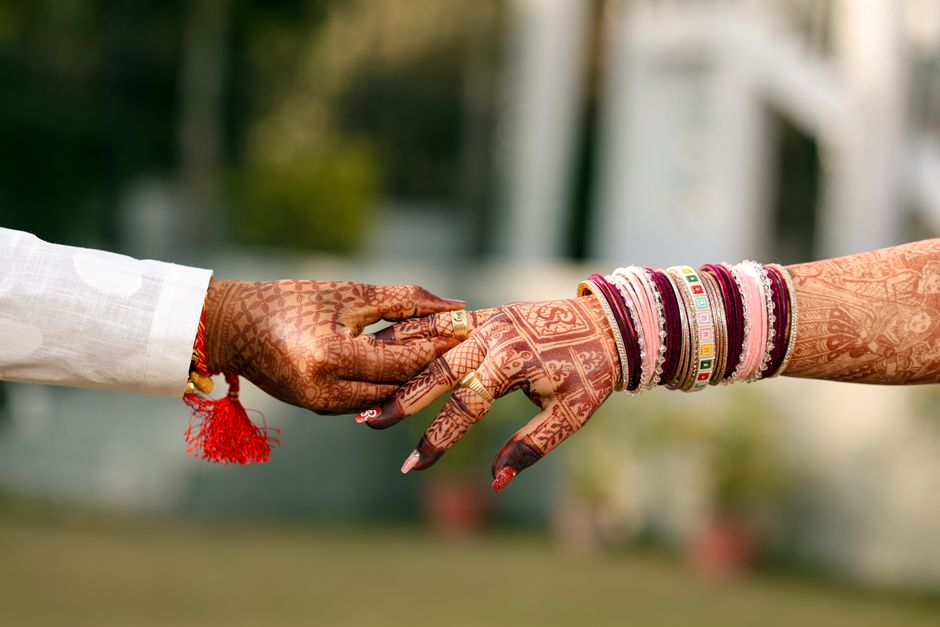
Exploring Cultural Heritage and Traditions
Cultural heritage and traditions are vital parts of our identity, providing a sense of community and continuity across generations. These traditions include festivals, rituals, languages, arts, and crafts that reflect the unique history of different societies.
Understanding cultural heritage allows us to appreciate diverse ways of life and how they have evolved over time. Preserving traditions such as traditional dance, music, and storytelling helps maintain a society’s cultural fabric.
Many countries celebrate their traditional festivals to honor historical events and religious beliefs, fostering community spirit. These events often feature colorful costumes, rituals, and performances that attract both locals and tourists.
Languages are also a crucial element of cultural heritage. Preserving local dialects and languages ensures that cultural stories, poetry, and knowledge are transmitted to future generations.
By exploring and respecting arts and crafts, we gain insights into a community’s history and values. These traditional skills are often passed down through generations, maintaining their cultural significance.
Ultimately, fostering awareness about cultural heritage and traditions helps promote global understanding and appreciation, ensuring that these invaluable aspects of our history are preserved for future generations.